Buy yourplay.eu ?
We are moving the project
yourplay.eu .
Are you interested in purchasing the domain
yourplay.eu ?
domain@kv-gmbh.de · 0541-91531010
Buy yourplay.eu ?
What are your hobbies and leisure activities?
Some of my hobbies and leisure activities include reading, writing, and hiking. I enjoy getting lost in a good book, expressing my thoughts through writing, and exploring nature on hiking trails. These activities help me relax, unwind, and find inspiration in the world around me. **
Did God create the embryo?
The belief that God created the embryo is a matter of faith and varies among different religious traditions. In many religious beliefs, it is believed that God is the ultimate creator of all life, including embryos. For example, in Christianity, it is believed that God is the creator of all life and that human life begins at conception. However, this belief is not universal, and there are differing views on when life begins and whether the embryo is directly created by God. Ultimately, the belief in God's role in creating the embryo is a deeply personal and spiritual matter. **


Similar search terms for Embryo
Top-Angebote
Products related to Embryo:
-
Metro 160cm LED TV Stand for TVs up to 70", Gaming Entertainment Center with PS5 Storage Black 75"This TV stand combines adjustable ambient lighting, partitioned storage, multi-scene adaptability, easy installation, and solid craftsmanship. It comes with a full range of accessories, a versatile size, and a balance of aesthetics, practicality, and durability, making it suitable for various home settings. Metro Lane127,99 £*Shipping: 0,00 £Secure redirect to the provider
-
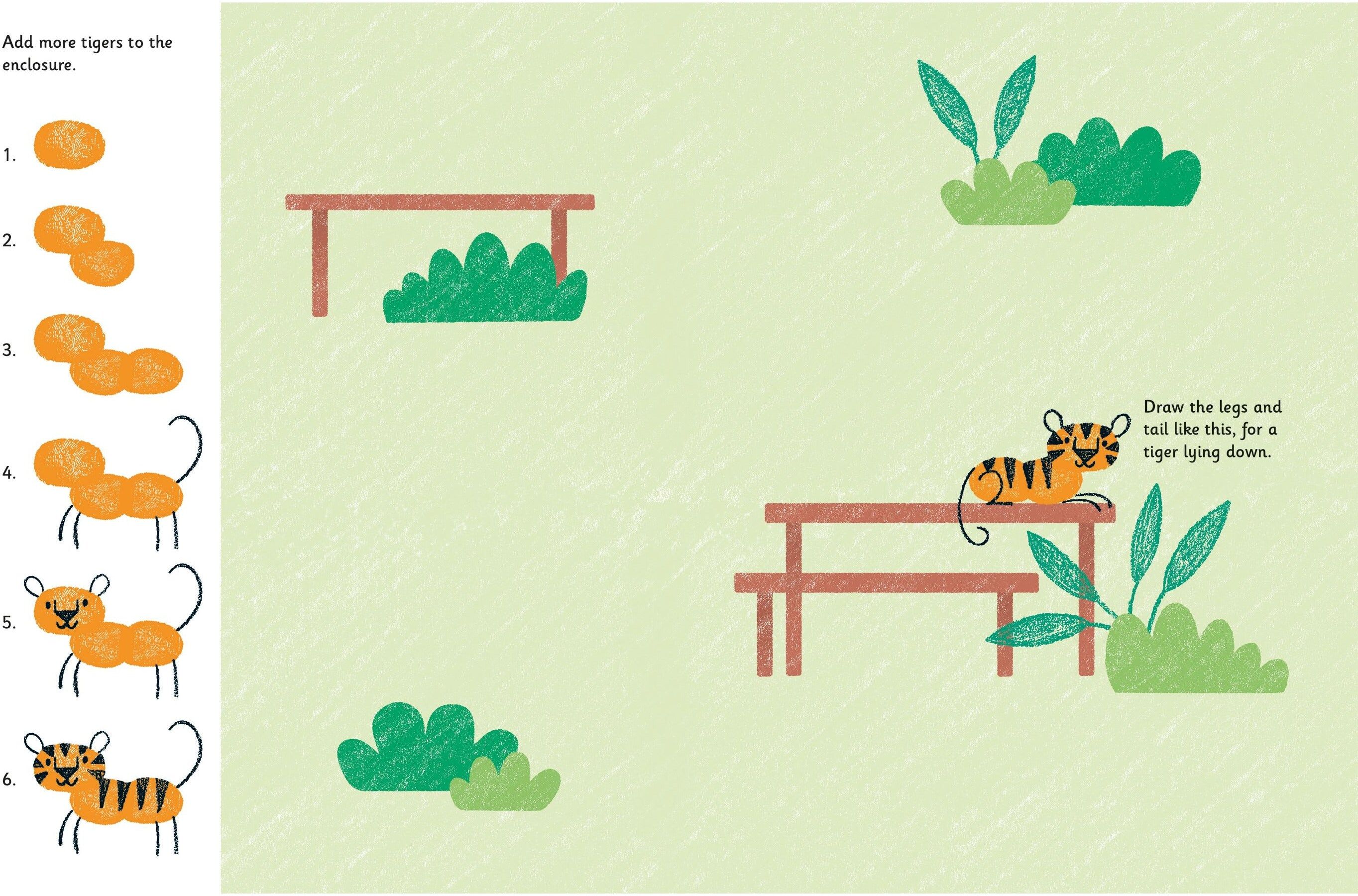
Usborne Fingerprint Activities ZooFingerprint Activities Zoo Fiona Watt Illustrated by Candice Whatmore This fun activity book is full of ideas for fingerprinting lots of different animals that you might see in a zoo. Print spots on a cheetah, hippos wallowing in a lake, stripes on lemurs' tails, koalas climbing trees and lots, lots more. Complete with seven bright ink pads to choose from. The spiral binding means that the book lies flat as you fill the pages with your own fingerprints.6,99 £*Shipping: 2,99 £Secure redirect to the provider
-
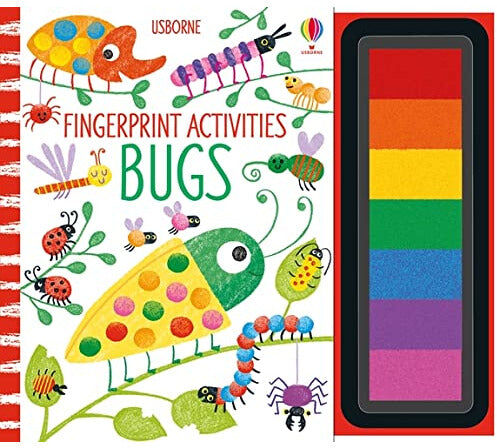
Usborne Fingerprint Activities: BugsThis entertaining book is bursting with ideas for fingerprinting lots of creepy crawlies, from bees and ladybirds to spiders and ants. Create scenes with hungry snails, wiggly worms, fluttering butterflies and lots more. With an inkpad of seven bright colours and a spiral binding so that the book lies flat.6,95 £*Shipping: 2,99 £Secure redirect to the provider


-
Does the embryo have no heartbeat?
No, the embryo does not have a heartbeat. The heartbeat typically begins to develop around 5-6 weeks of pregnancy, when the embryo is still very small and its heart is just starting to form. Prior to this time, the embryo relies on the mother's circulation for oxygen and nutrients. Once the heart begins to beat, it is a significant milestone in the development of the embryo. **
-
Does an embryo go to heaven?
The question of whether an embryo goes to heaven is a matter of religious belief and interpretation. In some religious traditions, such as Christianity, there is debate and differing views on the status of embryos and when they are considered to have a soul. Some believe that embryos are considered to have a soul from the moment of conception and therefore would go to heaven if they do not survive. Others believe that the soul enters the body at a later stage of development. Ultimately, the belief about the fate of embryos is a deeply personal and religious matter. **
-
Is the embryo dead or not?
The status of an embryo as dead or alive depends on the specific circumstances. In general, an embryo is considered alive if it is developing and showing signs of growth and viability. However, if an embryo has ceased developing and does not show any signs of life, it may be considered dead. It is important to consult with medical professionals to determine the status of an embryo in a specific situation. **
-
Is an embryo or fetus parasitic?
No, an embryo or fetus is not considered parasitic. While it is true that an embryo or fetus relies on the mother's body for nourishment and support during pregnancy, it is not a parasite. A parasite is an organism that lives in or on another organism (the host) and benefits at the host's expense. In contrast, the relationship between a mother and her developing baby is a natural and symbiotic one, where both parties benefit from the relationship. **

From when can an embryo feel pain?
The ability of an embryo to feel pain is a topic of debate among scientists and medical professionals. Some studies suggest that the neural pathways necessary for feeling pain may not be fully developed until the third trimester of pregnancy, around 24 weeks gestation. However, other research indicates that the ability to perceive pain may develop earlier, possibly around 20 weeks gestation. Ultimately, the exact point at which an embryo can feel pain is not definitively established and remains a complex and controversial issue. **
Can a mouse embryo still be saved?
Yes, a mouse embryo can potentially be saved through various techniques such as in vitro fertilization, embryo transfer, or cryopreservation. These methods can help to preserve and protect the embryo, allowing it to develop and potentially be implanted into a surrogate mother for further development. However, the success of saving a mouse embryo depends on various factors such as the health of the embryo, the expertise of the individuals handling the embryo, and the resources available for its care. **
Top-Angebote
Products related to Embryo:
-
Metro 160cm LED TV Stand for TVs up to 70", Gaming Entertainment Center with PS5 Storage Black 75"This TV stand combines adjustable ambient lighting, partitioned storage, multi-scene adaptability, easy installation, and solid craftsmanship. It comes with a full range of accessories, a versatile size, and a balance of aesthetics, practicality, and durability, making it suitable for various home settings. Metro Lane127,99 £*Shipping: 0,00 £Secure redirect to the provider
-
What are your hobbies and leisure activities?
Some of my hobbies and leisure activities include reading, writing, and hiking. I enjoy getting lost in a good book, expressing my thoughts through writing, and exploring nature on hiking trails. These activities help me relax, unwind, and find inspiration in the world around me. **
-
Did God create the embryo?
The belief that God created the embryo is a matter of faith and varies among different religious traditions. In many religious beliefs, it is believed that God is the ultimate creator of all life, including embryos. For example, in Christianity, it is believed that God is the creator of all life and that human life begins at conception. However, this belief is not universal, and there are differing views on when life begins and whether the embryo is directly created by God. Ultimately, the belief in God's role in creating the embryo is a deeply personal and spiritual matter. **
-
Does the embryo have no heartbeat?
No, the embryo does not have a heartbeat. The heartbeat typically begins to develop around 5-6 weeks of pregnancy, when the embryo is still very small and its heart is just starting to form. Prior to this time, the embryo relies on the mother's circulation for oxygen and nutrients. Once the heart begins to beat, it is a significant milestone in the development of the embryo. **
-
Does an embryo go to heaven?
The question of whether an embryo goes to heaven is a matter of religious belief and interpretation. In some religious traditions, such as Christianity, there is debate and differing views on the status of embryos and when they are considered to have a soul. Some believe that embryos are considered to have a soul from the moment of conception and therefore would go to heaven if they do not survive. Others believe that the soul enters the body at a later stage of development. Ultimately, the belief about the fate of embryos is a deeply personal and religious matter. **
Similar search terms for Embryo
-
Usborne Fingerprint Activities ZooFingerprint Activities Zoo Fiona Watt Illustrated by Candice Whatmore This fun activity book is full of ideas for fingerprinting lots of different animals that you might see in a zoo. Print spots on a cheetah, hippos wallowing in a lake, stripes on lemurs' tails, koalas climbing trees and lots, lots more. Complete with seven bright ink pads to choose from. The spiral binding means that the book lies flat as you fill the pages with your own fingerprints.6,99 £*Shipping: 2,99 £Secure redirect to the provider
-
Usborne Fingerprint Activities: BugsThis entertaining book is bursting with ideas for fingerprinting lots of creepy crawlies, from bees and ladybirds to spiders and ants. Create scenes with hungry snails, wiggly worms, fluttering butterflies and lots more. With an inkpad of seven bright colours and a spiral binding so that the book lies flat.6,95 £*Shipping: 2,99 £Secure redirect to the provider
-
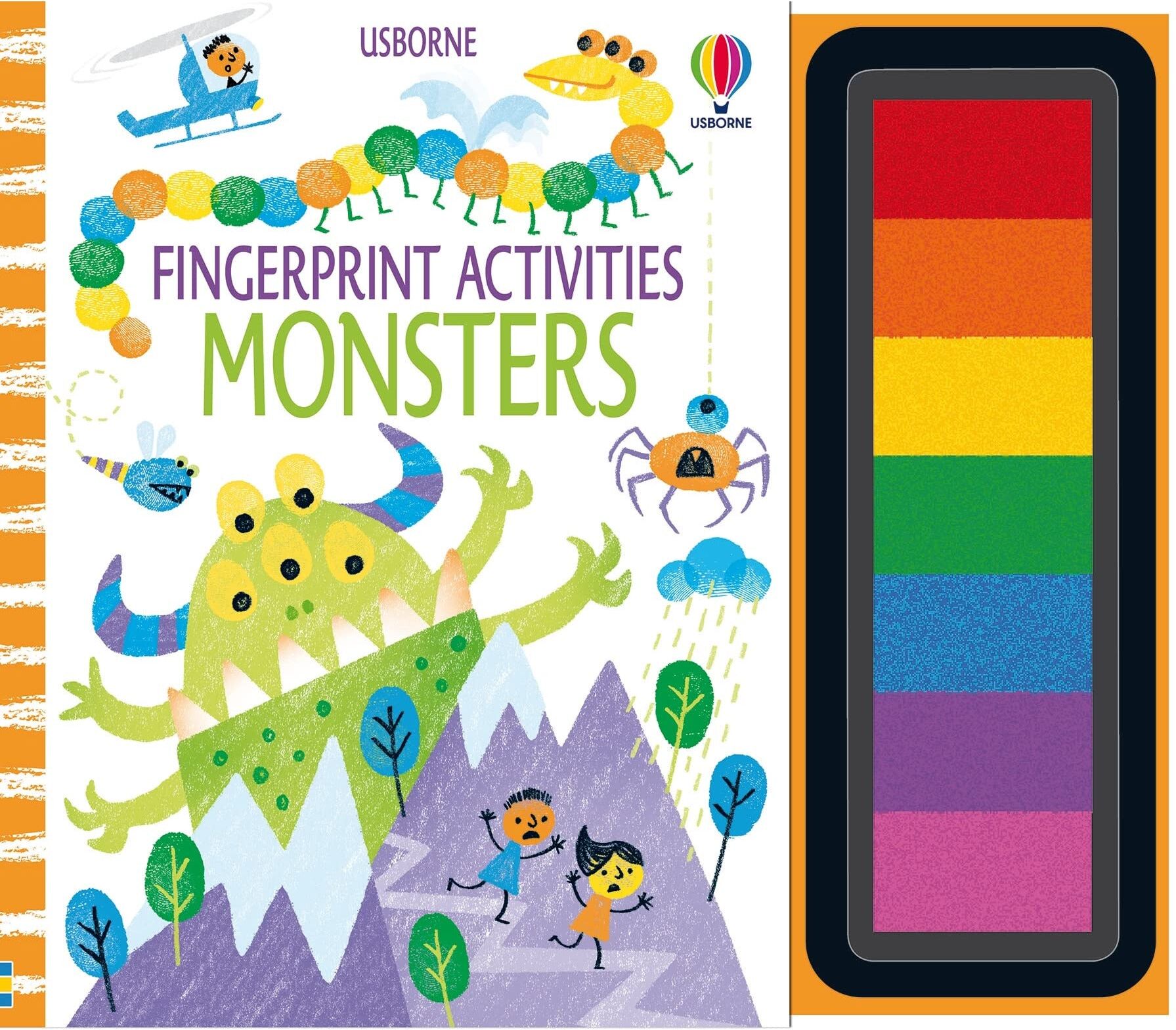
Usborne Fingerprint Activities: MonstersFollow the simple step-by-step ideas to fill the pages in the book with monsters of all shapes and sizes. There's no need to buy paints or inks, just use the seven bright colours on the inkpad attached to the back cover.5,99 £*Shipping: 2,99 £Secure redirect to the provider
-
Goosebumps Entertainment PackRelive the adventures of the hit show in these two novels, and then explore your creativity with more than 90 images in the Official Goosebumps Coloring Book.This set includes:Goosebumps TV: The Haunting ReturnsGoosebumps TV: The Vanished...34,99 $*Shipping: 0,00 $Secure redirect to the provider
-
Is the embryo dead or not?
The status of an embryo as dead or alive depends on the specific circumstances. In general, an embryo is considered alive if it is developing and showing signs of growth and viability. However, if an embryo has ceased developing and does not show any signs of life, it may be considered dead. It is important to consult with medical professionals to determine the status of an embryo in a specific situation. **
-
Is an embryo or fetus parasitic?
No, an embryo or fetus is not considered parasitic. While it is true that an embryo or fetus relies on the mother's body for nourishment and support during pregnancy, it is not a parasite. A parasite is an organism that lives in or on another organism (the host) and benefits at the host's expense. In contrast, the relationship between a mother and her developing baby is a natural and symbiotic one, where both parties benefit from the relationship. **
-
From when can an embryo feel pain?
The ability of an embryo to feel pain is a topic of debate among scientists and medical professionals. Some studies suggest that the neural pathways necessary for feeling pain may not be fully developed until the third trimester of pregnancy, around 24 weeks gestation. However, other research indicates that the ability to perceive pain may develop earlier, possibly around 20 weeks gestation. Ultimately, the exact point at which an embryo can feel pain is not definitively established and remains a complex and controversial issue. **
-
Can a mouse embryo still be saved?
Yes, a mouse embryo can potentially be saved through various techniques such as in vitro fertilization, embryo transfer, or cryopreservation. These methods can help to preserve and protect the embryo, allowing it to develop and potentially be implanted into a surrogate mother for further development. However, the success of saving a mouse embryo depends on various factors such as the health of the embryo, the expertise of the individuals handling the embryo, and the resources available for its care. **
* All prices are inclusive of VAT and, if applicable, plus shipping costs. The offer information is based on the details provided by the respective shop and is updated through automated processes. Real-time updates do not occur, so deviations can occur in individual cases. ** Note: Parts of this content were created by AI.