Buy yourplay.eu ?
We are moving the project
yourplay.eu .
Are you interested in purchasing the domain
yourplay.eu ?
domain@kv-gmbh.de · 0541-91531010
Buy yourplay.eu ?
What are your hobbies and leisure activities?
Some of my hobbies and leisure activities include reading, writing, and hiking. I enjoy getting lost in a good book, expressing my thoughts through writing, and exploring nature on hiking trails. These activities help me relax, unwind, and find inspiration in the world around me. **
What are concrete activities for the eight virtues in Buddhism?
In Buddhism, the eight virtues are often practiced through specific activities and behaviors. For example, generosity can be practiced through giving to those in need or supporting charitable causes. Moral conduct can be cultivated through following the Five Precepts, which include refraining from harming living beings and practicing honesty. Patience can be developed through meditation and mindfulness practices, while diligence can be practiced through dedicated effort in one's spiritual practice. The virtue of concentration can be cultivated through meditation and mental training, while wisdom can be developed through studying Buddhist teachings and reflecting on the nature of reality. Loving-kindness and compassion can be practiced through acts of kindness and by cultivating empathy and understanding towards others. **


Similar search terms for Buddhism
Top-Angebote
Products related to Buddhism:
-
Metro 160cm LED TV Stand for TVs up to 70", Gaming Entertainment Center with PS5 Storage Black 75"This TV stand combines adjustable ambient lighting, partitioned storage, multi-scene adaptability, easy installation, and solid craftsmanship. It comes with a full range of accessories, a versatile size, and a balance of aesthetics, practicality, and durability, making it suitable for various home settings. Metro Lane127,99 £*Shipping: 0,00 £Secure redirect to the provider
-
Usborne Fingerprint Activities ZooFingerprint Activities Zoo Fiona Watt Illustrated by Candice Whatmore This fun activity book is full of ideas for fingerprinting lots of different animals that you might see in a zoo. Print spots on a cheetah, hippos wallowing in a lake, stripes on lemurs' tails, koalas climbing trees and lots, lots more. Complete with seven bright ink pads to choose from. The spiral binding means that the book lies flat as you fill the pages with your own fingerprints.6,99 £*Shipping: 2,99 £Secure redirect to the provider
-
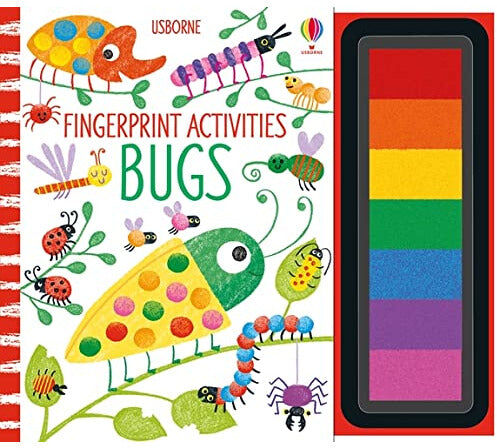
Usborne Fingerprint Activities: BugsThis entertaining book is bursting with ideas for fingerprinting lots of creepy crawlies, from bees and ladybirds to spiders and ants. Create scenes with hungry snails, wiggly worms, fluttering butterflies and lots more. With an inkpad of seven bright colours and a spiral binding so that the book lies flat.6,95 £*Shipping: 2,99 £Secure redirect to the provider



-
What are the differences between Buddhism and Tibetan Buddhism?
Buddhism is a broader religion that encompasses various traditions and schools, while Tibetan Buddhism is a specific branch of Buddhism that developed in Tibet. Tibetan Buddhism incorporates elements of Tibetan culture, such as rituals, deities, and practices like chanting and visualization. It also places a strong emphasis on the teachings of Tibetan Buddhist masters and the importance of the Dalai Lama. Additionally, Tibetan Buddhism includes unique practices such as the use of prayer flags, prayer wheels, and mandalas. **
-
What is the difference between Buddhism and Zen Buddhism?
Buddhism is a broader religion and philosophy that encompasses a variety of traditions and practices, while Zen Buddhism is a specific school or branch of Mahayana Buddhism that emphasizes meditation and direct experience of enlightenment. Zen Buddhism places a strong emphasis on the practice of meditation (zazen) as a means to achieve enlightenment, while traditional Buddhism incorporates a wider range of practices such as chanting, rituals, and study of Buddhist scriptures. Additionally, Zen Buddhism often focuses on the teachings of specific Zen masters and the importance of the teacher-student relationship in transmitting wisdom and insight. **
-
Is Buddhism illogical?
Buddhism is not inherently illogical. It is a complex and diverse belief system that encompasses a wide range of philosophical and ethical teachings. While some aspects of Buddhist doctrine may seem counterintuitive or difficult to understand from a Western perspective, they are based on a different cultural and philosophical framework. Many Buddhist teachings emphasize the importance of critical thinking and personal experience, and encourage followers to question and explore their beliefs. Ultimately, whether Buddhism is considered logical or not may depend on one's own perspective and understanding of its teachings. **
-
What is the difference between Zen Buddhism and regular Buddhism?
The main difference between Zen Buddhism and regular Buddhism lies in their approach to meditation and enlightenment. Zen Buddhism, which originated in China and later developed in Japan, emphasizes the practice of meditation (zazen) as the primary means to attain enlightenment. It focuses on direct experience and intuitive understanding, often through the guidance of a teacher. Regular Buddhism, on the other hand, encompasses a variety of traditions and practices, with meditation being just one of them. It places more emphasis on the study of scriptures, ethical conduct, and the development of wisdom and compassion. While both Zen Buddhism and regular Buddhism share the same core teachings of the Four Noble Truths and the Eightfold Path, their methods and emphasis on practice differ. **

What entertainment and leisure activities did people in the Baroque era use?
During the Baroque era, people enjoyed various forms of entertainment and leisure activities. Some popular activities included attending theatrical performances, such as plays and operas, as well as musical concerts. Dancing, particularly in the form of elaborate court dances, was also a common pastime. Additionally, people in the Baroque era enjoyed participating in outdoor activities like hunting, horseback riding, and attending festivals and masquerade balls. Overall, the Baroque era offered a wide range of entertainment options for people of different social classes and interests. **
What does Buddhism teach?
Buddhism teaches the Four Noble Truths, which are the truths of suffering, the cause of suffering, the end of suffering, and the path to the end of suffering. It also emphasizes the importance of mindfulness, compassion, and non-attachment. Buddhism teaches that all beings are interconnected and that the ultimate goal is to achieve enlightenment and liberation from the cycle of birth and death (samsara). **
Top-Angebote
Products related to Buddhism:
-
Metro 160cm LED TV Stand for TVs up to 70", Gaming Entertainment Center with PS5 Storage Black 75"This TV stand combines adjustable ambient lighting, partitioned storage, multi-scene adaptability, easy installation, and solid craftsmanship. It comes with a full range of accessories, a versatile size, and a balance of aesthetics, practicality, and durability, making it suitable for various home settings. Metro Lane127,99 £*Shipping: 0,00 £Secure redirect to the provider
-
What are your hobbies and leisure activities?
Some of my hobbies and leisure activities include reading, writing, and hiking. I enjoy getting lost in a good book, expressing my thoughts through writing, and exploring nature on hiking trails. These activities help me relax, unwind, and find inspiration in the world around me. **
-
What are concrete activities for the eight virtues in Buddhism?
In Buddhism, the eight virtues are often practiced through specific activities and behaviors. For example, generosity can be practiced through giving to those in need or supporting charitable causes. Moral conduct can be cultivated through following the Five Precepts, which include refraining from harming living beings and practicing honesty. Patience can be developed through meditation and mindfulness practices, while diligence can be practiced through dedicated effort in one's spiritual practice. The virtue of concentration can be cultivated through meditation and mental training, while wisdom can be developed through studying Buddhist teachings and reflecting on the nature of reality. Loving-kindness and compassion can be practiced through acts of kindness and by cultivating empathy and understanding towards others. **
-
What are the differences between Buddhism and Tibetan Buddhism?
Buddhism is a broader religion that encompasses various traditions and schools, while Tibetan Buddhism is a specific branch of Buddhism that developed in Tibet. Tibetan Buddhism incorporates elements of Tibetan culture, such as rituals, deities, and practices like chanting and visualization. It also places a strong emphasis on the teachings of Tibetan Buddhist masters and the importance of the Dalai Lama. Additionally, Tibetan Buddhism includes unique practices such as the use of prayer flags, prayer wheels, and mandalas. **
-
What is the difference between Buddhism and Zen Buddhism?
Buddhism is a broader religion and philosophy that encompasses a variety of traditions and practices, while Zen Buddhism is a specific school or branch of Mahayana Buddhism that emphasizes meditation and direct experience of enlightenment. Zen Buddhism places a strong emphasis on the practice of meditation (zazen) as a means to achieve enlightenment, while traditional Buddhism incorporates a wider range of practices such as chanting, rituals, and study of Buddhist scriptures. Additionally, Zen Buddhism often focuses on the teachings of specific Zen masters and the importance of the teacher-student relationship in transmitting wisdom and insight. **
Similar search terms for Buddhism
-
Usborne Fingerprint Activities ZooFingerprint Activities Zoo Fiona Watt Illustrated by Candice Whatmore This fun activity book is full of ideas for fingerprinting lots of different animals that you might see in a zoo. Print spots on a cheetah, hippos wallowing in a lake, stripes on lemurs' tails, koalas climbing trees and lots, lots more. Complete with seven bright ink pads to choose from. The spiral binding means that the book lies flat as you fill the pages with your own fingerprints.6,99 £*Shipping: 2,99 £Secure redirect to the provider
-
Usborne Fingerprint Activities: BugsThis entertaining book is bursting with ideas for fingerprinting lots of creepy crawlies, from bees and ladybirds to spiders and ants. Create scenes with hungry snails, wiggly worms, fluttering butterflies and lots more. With an inkpad of seven bright colours and a spiral binding so that the book lies flat.6,95 £*Shipping: 2,99 £Secure redirect to the provider
-
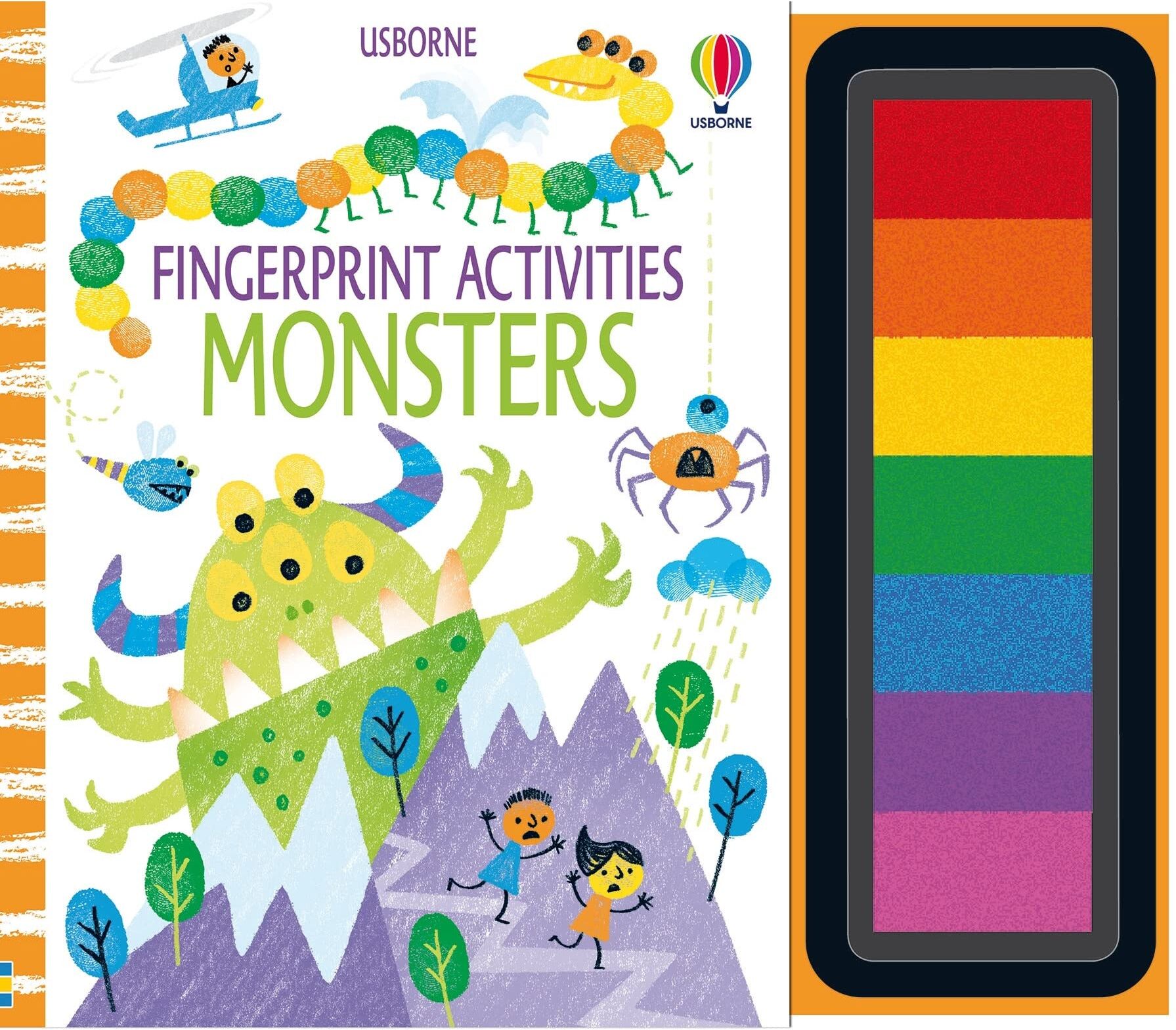
Usborne Fingerprint Activities: MonstersFollow the simple step-by-step ideas to fill the pages in the book with monsters of all shapes and sizes. There's no need to buy paints or inks, just use the seven bright colours on the inkpad attached to the back cover.5,99 £*Shipping: 2,99 £Secure redirect to the provider
-
Metro LED TV Unit for TVs up to 65 Inch, TV Cabinet , Gaming Entertainment Center with Adjustable Glass Shelf White 65"Transform your space with our TV unit that meets all your storage needs, offering open areas for media gear like your TV box, DVD player, speakers, and game consoles with easy wire management, plus a spacious tabletop for daily essentials, books, PS5, magazines, mugs, cups, and electronics, equipped with a modern LED lighting system featuring 15 static and 6 dynamic color modes controlled remotely, boasting ample storage with a sturdy construction that supports up to 65 kg on the bottom shelf and tabletop, 5 kg on the side shelf, and an adjustable tempered glass shelf for an eye-catching display, all in a 148CM x 32CM x 51CM size that's easy to assemble straight from the box and designed to hold TVs up to 50 inches, complemented by a convenient power strip for all your connectivity needs. Metro Lane Colour: White69,99 £*Shipping: 0,00 £Secure redirect to the provider
-
Is Buddhism illogical?
Buddhism is not inherently illogical. It is a complex and diverse belief system that encompasses a wide range of philosophical and ethical teachings. While some aspects of Buddhist doctrine may seem counterintuitive or difficult to understand from a Western perspective, they are based on a different cultural and philosophical framework. Many Buddhist teachings emphasize the importance of critical thinking and personal experience, and encourage followers to question and explore their beliefs. Ultimately, whether Buddhism is considered logical or not may depend on one's own perspective and understanding of its teachings. **
-
What is the difference between Zen Buddhism and regular Buddhism?
The main difference between Zen Buddhism and regular Buddhism lies in their approach to meditation and enlightenment. Zen Buddhism, which originated in China and later developed in Japan, emphasizes the practice of meditation (zazen) as the primary means to attain enlightenment. It focuses on direct experience and intuitive understanding, often through the guidance of a teacher. Regular Buddhism, on the other hand, encompasses a variety of traditions and practices, with meditation being just one of them. It places more emphasis on the study of scriptures, ethical conduct, and the development of wisdom and compassion. While both Zen Buddhism and regular Buddhism share the same core teachings of the Four Noble Truths and the Eightfold Path, their methods and emphasis on practice differ. **
-
What entertainment and leisure activities did people in the Baroque era use?
During the Baroque era, people enjoyed various forms of entertainment and leisure activities. Some popular activities included attending theatrical performances, such as plays and operas, as well as musical concerts. Dancing, particularly in the form of elaborate court dances, was also a common pastime. Additionally, people in the Baroque era enjoyed participating in outdoor activities like hunting, horseback riding, and attending festivals and masquerade balls. Overall, the Baroque era offered a wide range of entertainment options for people of different social classes and interests. **
-
What does Buddhism teach?
Buddhism teaches the Four Noble Truths, which are the truths of suffering, the cause of suffering, the end of suffering, and the path to the end of suffering. It also emphasizes the importance of mindfulness, compassion, and non-attachment. Buddhism teaches that all beings are interconnected and that the ultimate goal is to achieve enlightenment and liberation from the cycle of birth and death (samsara). **
* All prices are inclusive of VAT and, if applicable, plus shipping costs. The offer information is based on the details provided by the respective shop and is updated through automated processes. Real-time updates do not occur, so deviations can occur in individual cases. ** Note: Parts of this content were created by AI.