Buy yourplay.eu ?
We are moving the project
yourplay.eu .
Are you interested in purchasing the domain
yourplay.eu ?
domain@kv-gmbh.de · 0541-91531010
Buy yourplay.eu ?
What does "kawai desu" mean?
"Kawai desu" is a Japanese phrase that translates to "it's cute" or "adorable" in English. It is often used to describe something or someone that is charming, sweet, or endearing. This phrase is commonly used in Japanese culture to express appreciation for cute things or to compliment someone's appearance or behavior. **
What are your hobbies and leisure activities?
Some of my hobbies and leisure activities include reading, writing, and hiking. I enjoy getting lost in a good book, expressing my thoughts through writing, and exploring nature on hiking trails. These activities help me relax, unwind, and find inspiration in the world around me. **
Similar search terms for Desu
Top-Angebote
Products related to Desu:
-
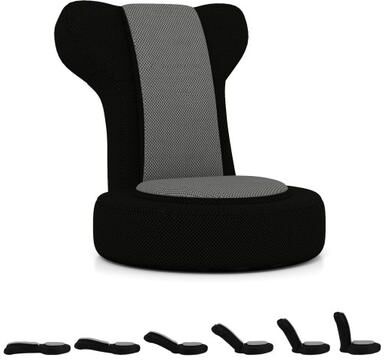
Metro 160cm LED TV Stand for TVs up to 70", Gaming Entertainment Center with PS5 Storage Black 75"This TV stand combines adjustable ambient lighting, partitioned storage, multi-scene adaptability, easy installation, and solid craftsmanship. It comes with a full range of accessories, a versatile size, and a balance of aesthetics, practicality, and durability, making it suitable for various home settings. Metro Lane127,99 £*Shipping: 0,00 £Secure redirect to the provider
-
Goosebumps Entertainment PackRelive the adventures of the hit show in these two novels, and then explore your creativity with more than 90 images in the Official Goosebumps Coloring Book.This set includes:Goosebumps TV: The Haunting ReturnsGoosebumps TV: The Vanished...34,99 $*Shipping: 0,00 $Secure redirect to the provider
-
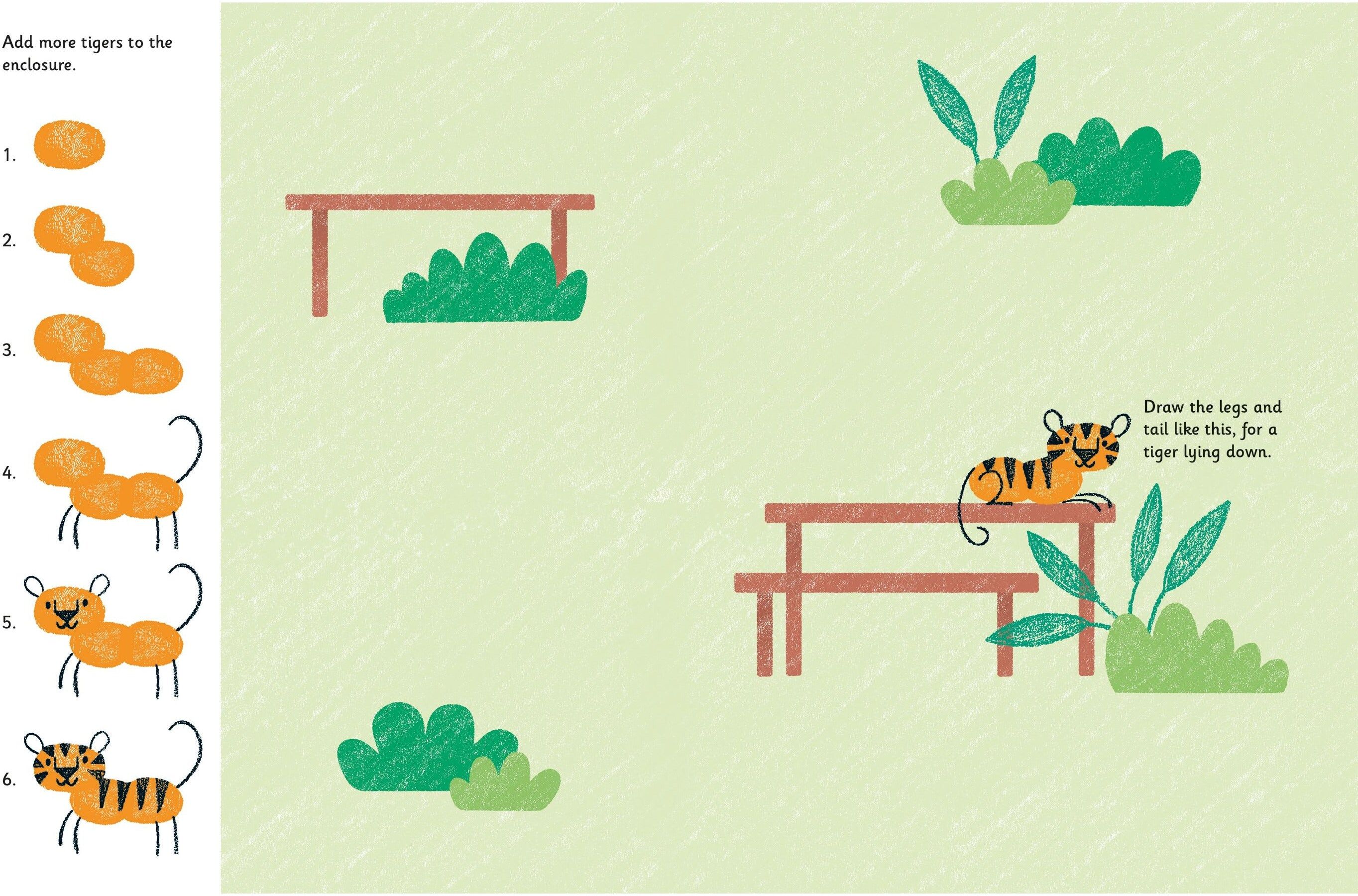
Usborne Fingerprint Activities ZooFingerprint Activities Zoo Fiona Watt Illustrated by Candice Whatmore This fun activity book is full of ideas for fingerprinting lots of different animals that you might see in a zoo. Print spots on a cheetah, hippos wallowing in a lake, stripes on lemurs' tails, koalas climbing trees and lots, lots more. Complete with seven bright ink pads to choose from. The spiral binding means that the book lies flat as you fill the pages with your own fingerprints.6,99 £*Shipping: 2,99 £Secure redirect to the provider



-
What does 'watashi wa neko desu' mean?
"Watashi wa neko desu" means "I am a cat" in Japanese. The word "watashi" means "I" or "me", "wa" is a particle indicating the subject of the sentence, "neko" means "cat", and "desu" is a copula verb that is used to indicate a state of being or to equate two things. So, when put together, the phrase translates to "I am a cat." **
-
When do you use 'desu' in Japanese?
'Desu' is a polite copula in Japanese that is used to connect a subject with a predicate. It is commonly used in formal situations, such as when speaking with strangers, in business settings, or when addressing someone of higher status. 'Desu' is also used to make statements more polite and respectful. **
-
When do we use "desu" in Japanese?
"Desu" is a copula in Japanese that is used to connect a subject with a predicate, similar to the verb "to be" in English. It is commonly used at the end of a sentence to indicate politeness or formality. "Desu" is used in both formal and informal situations, making it a versatile and commonly used word in Japanese language. **
-
Which anime are similar to Sakamoto desu ga?
Some anime that are similar to Sakamoto desu ga include "One Punch Man" and "Mob Psycho 100" due to their comedic and over-the-top portrayal of their main characters. Another similar anime is "Haven't You Heard? I'm Sakamoto" which also features a cool and suave protagonist who excels in everything he does. Fans of Sakamoto desu ga may also enjoy "The Disastrous Life of Saiki K" for its humor and unique characters. **
What is the difference between daisuki and suki desu?
The main difference between "daisuki" and "suki desu" lies in the intensity of the feeling expressed. "Daisuki" is a stronger way to express liking or loving something or someone, while "suki desu" is a more general way to express liking. "Daisuki" is often used to convey a deep affection or strong preference, while "suki desu" is a more casual way to express liking. **
What is the difference between desu and imasu/arimasu?
The main difference between "desu" and "imasu/arimasu" is that "desu" is used to indicate the existence or state of non-living things or abstract concepts, while "imasu/arimasu" is used to indicate the existence or state of living things or inanimate objects, respectively. For example, "hon desu" means "it is a book," while "neko ga imasu" means "there is a cat." Additionally, "desu" is used in present tense, while "imasu/arimasu" can be used in present or future tense. **
Top-Angebote
Products related to Desu:
-
Metro 160cm LED TV Stand for TVs up to 70", Gaming Entertainment Center with PS5 Storage Black 75"This TV stand combines adjustable ambient lighting, partitioned storage, multi-scene adaptability, easy installation, and solid craftsmanship. It comes with a full range of accessories, a versatile size, and a balance of aesthetics, practicality, and durability, making it suitable for various home settings. Metro Lane127,99 £*Shipping: 0,00 £Secure redirect to the provider
-
What does "kawai desu" mean?
"Kawai desu" is a Japanese phrase that translates to "it's cute" or "adorable" in English. It is often used to describe something or someone that is charming, sweet, or endearing. This phrase is commonly used in Japanese culture to express appreciation for cute things or to compliment someone's appearance or behavior. **
-
What are your hobbies and leisure activities?
Some of my hobbies and leisure activities include reading, writing, and hiking. I enjoy getting lost in a good book, expressing my thoughts through writing, and exploring nature on hiking trails. These activities help me relax, unwind, and find inspiration in the world around me. **
-
What does 'watashi wa neko desu' mean?
"Watashi wa neko desu" means "I am a cat" in Japanese. The word "watashi" means "I" or "me", "wa" is a particle indicating the subject of the sentence, "neko" means "cat", and "desu" is a copula verb that is used to indicate a state of being or to equate two things. So, when put together, the phrase translates to "I am a cat." **
-
When do you use 'desu' in Japanese?
'Desu' is a polite copula in Japanese that is used to connect a subject with a predicate. It is commonly used in formal situations, such as when speaking with strangers, in business settings, or when addressing someone of higher status. 'Desu' is also used to make statements more polite and respectful. **
Similar search terms for Desu
-
Goosebumps Entertainment PackRelive the adventures of the hit show in these two novels, and then explore your creativity with more than 90 images in the Official Goosebumps Coloring Book.This set includes:Goosebumps TV: The Haunting ReturnsGoosebumps TV: The Vanished...34,99 $*Shipping: 0,00 $Secure redirect to the provider
-
Usborne Fingerprint Activities ZooFingerprint Activities Zoo Fiona Watt Illustrated by Candice Whatmore This fun activity book is full of ideas for fingerprinting lots of different animals that you might see in a zoo. Print spots on a cheetah, hippos wallowing in a lake, stripes on lemurs' tails, koalas climbing trees and lots, lots more. Complete with seven bright ink pads to choose from. The spiral binding means that the book lies flat as you fill the pages with your own fingerprints.6,99 £*Shipping: 2,99 £Secure redirect to the provider
-
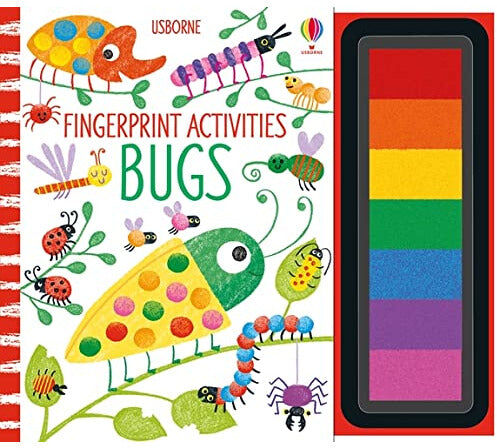
Usborne Fingerprint Activities: BugsThis entertaining book is bursting with ideas for fingerprinting lots of creepy crawlies, from bees and ladybirds to spiders and ants. Create scenes with hungry snails, wiggly worms, fluttering butterflies and lots more. With an inkpad of seven bright colours and a spiral binding so that the book lies flat.6,95 £*Shipping: 2,99 £Secure redirect to the provider
-
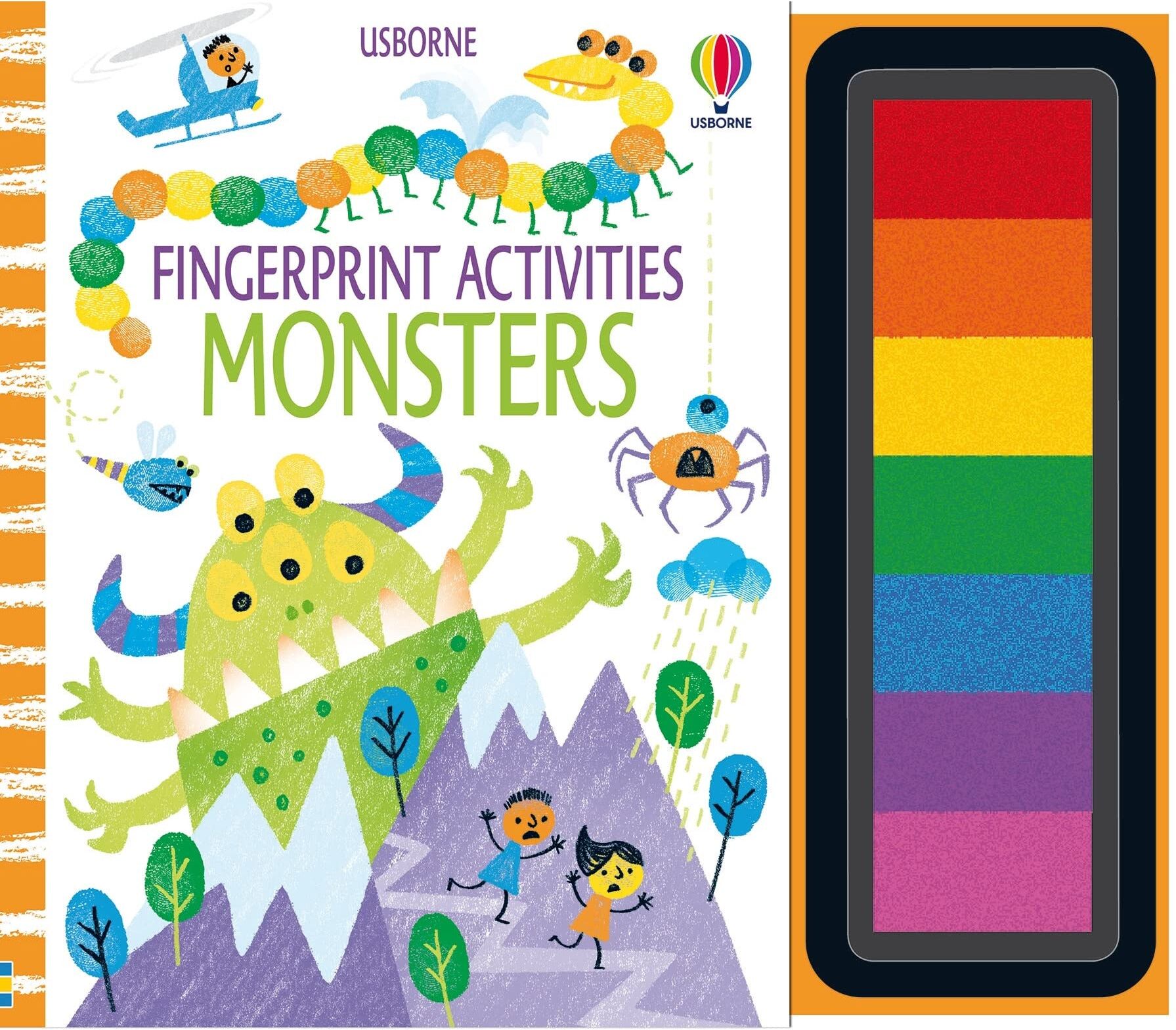
Usborne Fingerprint Activities: MonstersFollow the simple step-by-step ideas to fill the pages in the book with monsters of all shapes and sizes. There's no need to buy paints or inks, just use the seven bright colours on the inkpad attached to the back cover.5,99 £*Shipping: 2,99 £Secure redirect to the provider
-
When do we use "desu" in Japanese?
"Desu" is a copula in Japanese that is used to connect a subject with a predicate, similar to the verb "to be" in English. It is commonly used at the end of a sentence to indicate politeness or formality. "Desu" is used in both formal and informal situations, making it a versatile and commonly used word in Japanese language. **
-
Which anime are similar to Sakamoto desu ga?
Some anime that are similar to Sakamoto desu ga include "One Punch Man" and "Mob Psycho 100" due to their comedic and over-the-top portrayal of their main characters. Another similar anime is "Haven't You Heard? I'm Sakamoto" which also features a cool and suave protagonist who excels in everything he does. Fans of Sakamoto desu ga may also enjoy "The Disastrous Life of Saiki K" for its humor and unique characters. **
-
What is the difference between daisuki and suki desu?
The main difference between "daisuki" and "suki desu" lies in the intensity of the feeling expressed. "Daisuki" is a stronger way to express liking or loving something or someone, while "suki desu" is a more general way to express liking. "Daisuki" is often used to convey a deep affection or strong preference, while "suki desu" is a more casual way to express liking. **
-
What is the difference between desu and imasu/arimasu?
The main difference between "desu" and "imasu/arimasu" is that "desu" is used to indicate the existence or state of non-living things or abstract concepts, while "imasu/arimasu" is used to indicate the existence or state of living things or inanimate objects, respectively. For example, "hon desu" means "it is a book," while "neko ga imasu" means "there is a cat." Additionally, "desu" is used in present tense, while "imasu/arimasu" can be used in present or future tense. **
* All prices are inclusive of VAT and, if applicable, plus shipping costs. The offer information is based on the details provided by the respective shop and is updated through automated processes. Real-time updates do not occur, so deviations can occur in individual cases. ** Note: Parts of this content were created by AI.