Buy yourplay.eu ?
We are moving the project
yourplay.eu .
Are you interested in purchasing the domain
yourplay.eu ?
domain@kv-gmbh.de · 0541-91531010
Buy yourplay.eu ?
What type of inhibition occurs through allosteric activation/inhibition?
Allosteric inhibition occurs when a molecule binds to an allosteric site on an enzyme, causing a conformational change that reduces the enzyme's activity. This type of inhibition is non-competitive, meaning it does not compete with the substrate for the active site. Allosteric activation, on the other hand, occurs when a molecule binds to an allosteric site and enhances the enzyme's activity. Both allosteric inhibition and activation involve the binding of a regulatory molecule to a site other than the active site of the enzyme, leading to a change in the enzyme's activity. **
Is allosteric inhibition the same as non-competitive inhibition?
Allosteric inhibition and non-competitive inhibition are not the same, although they are related. Non-competitive inhibition refers to the binding of an inhibitor to a site on the enzyme that is not the active site, thereby preventing the substrate from binding to the active site. Allosteric inhibition, on the other hand, occurs when an inhibitor binds to a site on the enzyme that is distinct from the active site, causing a conformational change in the enzyme that reduces its activity. While both types of inhibition involve the binding of an inhibitor to a site other than the active site, allosteric inhibition specifically involves a change in the enzyme's shape and activity. **
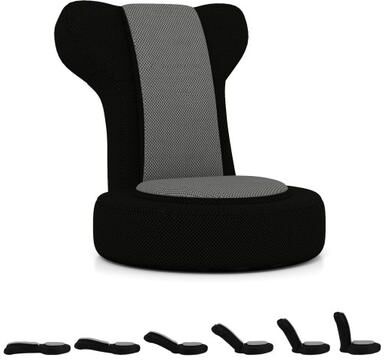
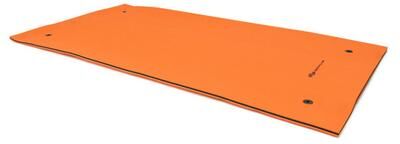
Similar search terms for Inhibition
Top-Angebote
Products related to Inhibition:
-
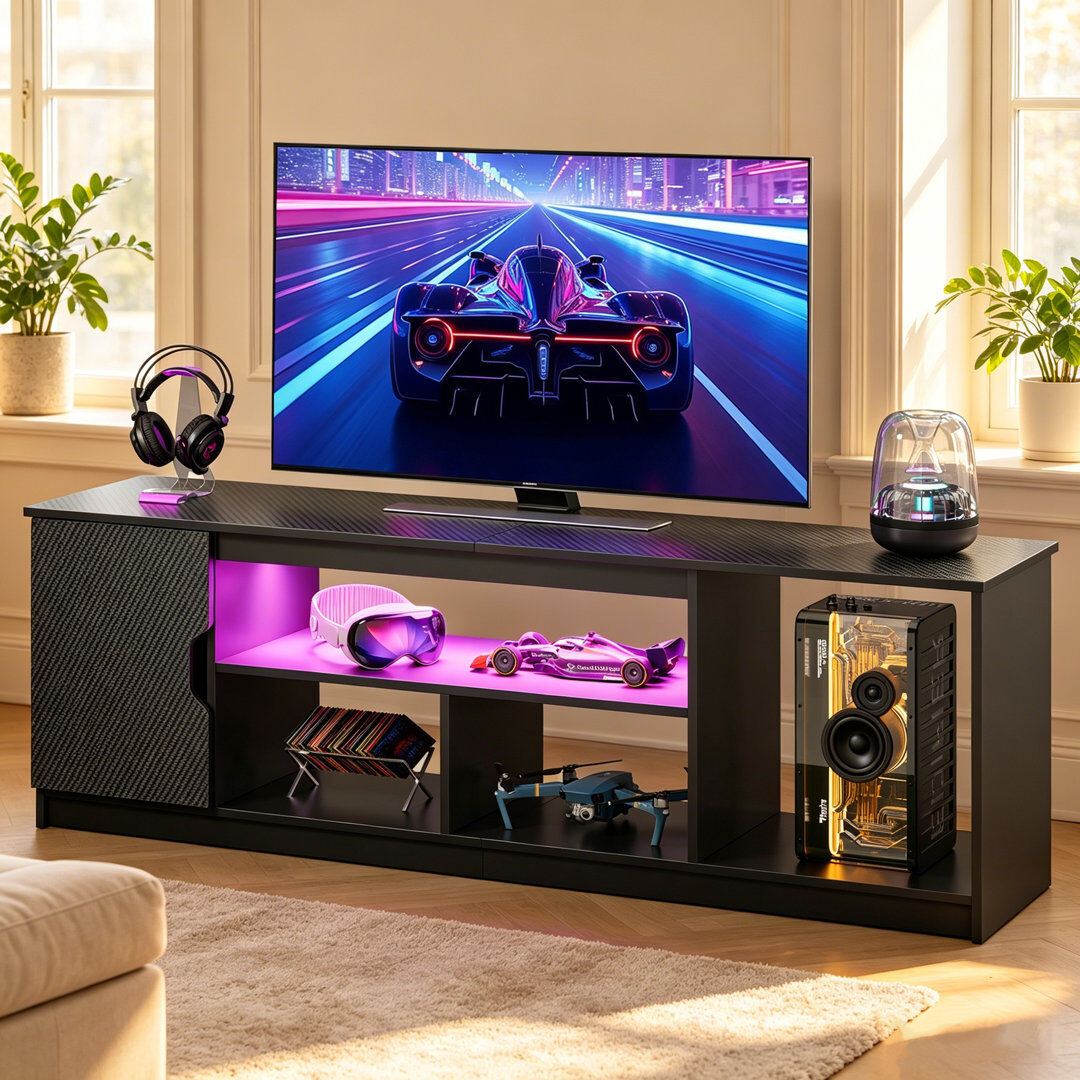
Metro 160cm LED TV Stand for TVs up to 70", Gaming Entertainment Center with PS5 Storage Black 75"This TV stand combines adjustable ambient lighting, partitioned storage, multi-scene adaptability, easy installation, and solid craftsmanship. It comes with a full range of accessories, a versatile size, and a balance of aesthetics, practicality, and durability, making it suitable for various home settings. Metro Lane127,99 £*Shipping: 0,00 £Secure redirect to the provider
-
Goosebumps Entertainment PackRelive the adventures of the hit show in these two novels, and then explore your creativity with more than 90 images in the Official Goosebumps Coloring Book.This set includes:Goosebumps TV: The Haunting ReturnsGoosebumps TV: The Vanished...34,99 $*Shipping: 0,00 $Secure redirect to the provider
-
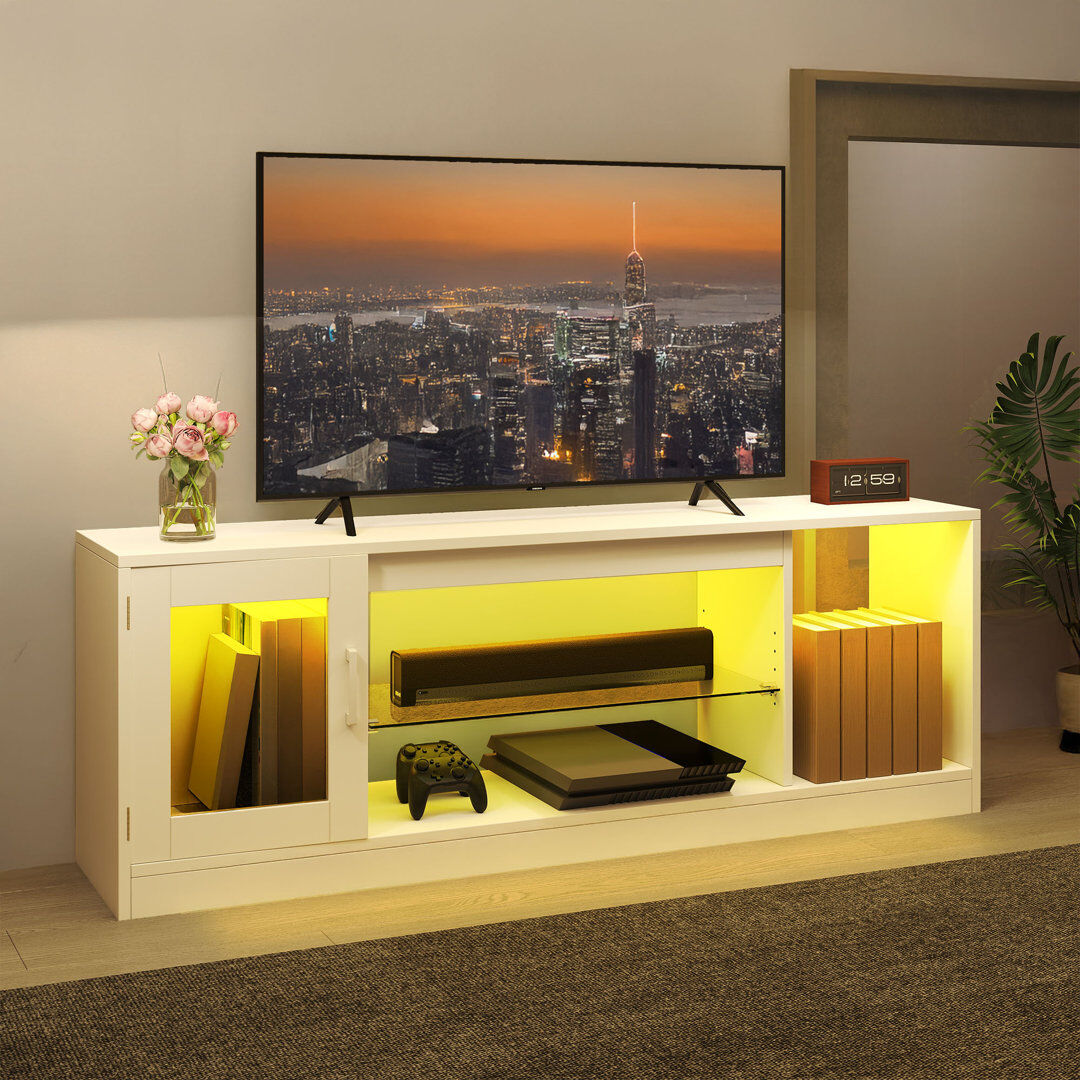
Metro LED TV Unit for TVs up to 65 Inch, TV Cabinet , Gaming Entertainment Center with Adjustable Glass Shelf White 65"Transform your space with our TV unit that meets all your storage needs, offering open areas for media gear like your TV box, DVD player, speakers, and game consoles with easy wire management, plus a spacious tabletop for daily essentials, books, PS5, magazines, mugs, cups, and electronics, equipped with a modern LED lighting system featuring 15 static and 6 dynamic color modes controlled remotely, boasting ample storage with a sturdy construction that supports up to 65 kg on the bottom shelf and tabletop, 5 kg on the side shelf, and an adjustable tempered glass shelf for an eye-catching display, all in a 148CM x 32CM x 51CM size that's easy to assemble straight from the box and designed to hold TVs up to 50 inches, complemented by a convenient power strip for all your connectivity needs. Metro Lane Colour: White69,99 £*Shipping: 0,00 £Secure redirect to the provider


-
What is the difference between competitive inhibition and allosteric inhibition?
Competitive inhibition occurs when a molecule competes with the substrate for the active site of an enzyme, effectively blocking the substrate from binding and inhibiting the enzyme's activity. In contrast, allosteric inhibition occurs when a molecule binds to a site on the enzyme other than the active site, causing a conformational change that reduces the enzyme's activity. While competitive inhibition directly competes with the substrate for the active site, allosteric inhibition involves binding to a different site on the enzyme to regulate its activity. **
-
What are your hobbies and leisure activities?
Some of my hobbies and leisure activities include reading, writing, and hiking. I enjoy getting lost in a good book, expressing my thoughts through writing, and exploring nature on hiking trails. These activities help me relax, unwind, and find inspiration in the world around me. **
-
Is allosteric inhibition irreversible?
Allosteric inhibition is typically reversible, meaning that the inhibitor can bind to the allosteric site and block the activity of the enzyme, but can also dissociate from the site, allowing the enzyme to regain its activity. This is in contrast to irreversible inhibition, where the inhibitor forms a covalent bond with the enzyme, permanently inactivating it. **
-
What is allosteric inhibition?
Allosteric inhibition is a type of enzyme regulation where a molecule binds to a site on the enzyme that is different from the active site, causing a conformational change in the enzyme's structure. This change reduces the enzyme's activity and ability to bind to its substrate, ultimately inhibiting its function. Allosteric inhibition is a reversible process and can be used to regulate enzyme activity in response to changing cellular conditions. **


Non-competitive inhibition, right?
Non-competitive inhibition is a type of enzyme inhibition where the inhibitor binds to a site on the enzyme that is not the active site. This binding causes a conformational change in the enzyme, making it less effective at catalyzing the reaction. Non-competitive inhibitors do not compete with the substrate for binding to the enzyme. Instead, they can bind to the enzyme-substrate complex or to a separate allosteric site on the enzyme. **
What is the difference between allosteric inhibition and competitive inhibition in biology?
Allosteric inhibition occurs when a molecule binds to an allosteric site on an enzyme, causing a conformational change that reduces the enzyme's activity. This type of inhibition is non-competitive and can affect multiple enzymes in a metabolic pathway. On the other hand, competitive inhibition occurs when a molecule competes with the substrate for the active site of the enzyme, effectively blocking the substrate from binding and reducing the enzyme's activity. Competitive inhibition can be overcome by increasing the concentration of the substrate, while allosteric inhibition cannot be overcome in the same way. **
Top-Angebote
Products related to Inhibition:
-
Metro 160cm LED TV Stand for TVs up to 70", Gaming Entertainment Center with PS5 Storage Black 75"This TV stand combines adjustable ambient lighting, partitioned storage, multi-scene adaptability, easy installation, and solid craftsmanship. It comes with a full range of accessories, a versatile size, and a balance of aesthetics, practicality, and durability, making it suitable for various home settings. Metro Lane127,99 £*Shipping: 0,00 £Secure redirect to the provider
-
What type of inhibition occurs through allosteric activation/inhibition?
Allosteric inhibition occurs when a molecule binds to an allosteric site on an enzyme, causing a conformational change that reduces the enzyme's activity. This type of inhibition is non-competitive, meaning it does not compete with the substrate for the active site. Allosteric activation, on the other hand, occurs when a molecule binds to an allosteric site and enhances the enzyme's activity. Both allosteric inhibition and activation involve the binding of a regulatory molecule to a site other than the active site of the enzyme, leading to a change in the enzyme's activity. **
-
Is allosteric inhibition the same as non-competitive inhibition?
Allosteric inhibition and non-competitive inhibition are not the same, although they are related. Non-competitive inhibition refers to the binding of an inhibitor to a site on the enzyme that is not the active site, thereby preventing the substrate from binding to the active site. Allosteric inhibition, on the other hand, occurs when an inhibitor binds to a site on the enzyme that is distinct from the active site, causing a conformational change in the enzyme that reduces its activity. While both types of inhibition involve the binding of an inhibitor to a site other than the active site, allosteric inhibition specifically involves a change in the enzyme's shape and activity. **
-
What is the difference between competitive inhibition and allosteric inhibition?
Competitive inhibition occurs when a molecule competes with the substrate for the active site of an enzyme, effectively blocking the substrate from binding and inhibiting the enzyme's activity. In contrast, allosteric inhibition occurs when a molecule binds to a site on the enzyme other than the active site, causing a conformational change that reduces the enzyme's activity. While competitive inhibition directly competes with the substrate for the active site, allosteric inhibition involves binding to a different site on the enzyme to regulate its activity. **
-
What are your hobbies and leisure activities?
Some of my hobbies and leisure activities include reading, writing, and hiking. I enjoy getting lost in a good book, expressing my thoughts through writing, and exploring nature on hiking trails. These activities help me relax, unwind, and find inspiration in the world around me. **
Similar search terms for Inhibition
-
Goosebumps Entertainment PackRelive the adventures of the hit show in these two novels, and then explore your creativity with more than 90 images in the Official Goosebumps Coloring Book.This set includes:Goosebumps TV: The Haunting ReturnsGoosebumps TV: The Vanished...34,99 $*Shipping: 0,00 $Secure redirect to the provider
-
Metro LED TV Unit for TVs up to 65 Inch, TV Cabinet , Gaming Entertainment Center with Adjustable Glass Shelf White 65"Transform your space with our TV unit that meets all your storage needs, offering open areas for media gear like your TV box, DVD player, speakers, and game consoles with easy wire management, plus a spacious tabletop for daily essentials, books, PS5, magazines, mugs, cups, and electronics, equipped with a modern LED lighting system featuring 15 static and 6 dynamic color modes controlled remotely, boasting ample storage with a sturdy construction that supports up to 65 kg on the bottom shelf and tabletop, 5 kg on the side shelf, and an adjustable tempered glass shelf for an eye-catching display, all in a 148CM x 32CM x 51CM size that's easy to assemble straight from the box and designed to hold TVs up to 50 inches, complemented by a convenient power strip for all your connectivity needs. Metro Lane Colour: White69,99 £*Shipping: 0,00 £Secure redirect to the provider
-
Metro LED TV Unit for TVs up to 65 Inch, TV Cabinet , Gaming Entertainment Center with Adjustable Glass Shelf Black 65"Transform your space with our TV unit that meets all your storage needs, offering open areas for media gear like your TV box, DVD player, speakers, and game consoles with easy wire management, plus a spacious tabletop for daily essentials, books, PS5, magazines, mugs, cups, and electronics, equipped with a modern LED lighting system featuring 15 static and 6 dynamic color modes controlled remotely, boasting ample storage with a sturdy construction that supports up to 65 kg on the bottom shelf and tabletop, 5 kg on the side shelf, and an adjustable tempered glass shelf for an eye-catching display, all in a 148CM x 32CM x 51CM size that's easy to assemble straight from the box and designed to hold TVs up to 50 inches, complemented by a convenient power strip for all your connectivity needs. Metro Lane Colour: Black71,99 £*Shipping: 0,00 £Secure redirect to the provider
-
Metro LED TV Unit for TVs up to 65 Inch, TV Cabinet , Gaming Entertainment Center with Adjustable Glass Shelf Grey 65"Transform your space with our TV unit that meets all your storage needs, offering open areas for media gear like your TV box, DVD player, speakers, and game consoles with easy wire management, plus a spacious tabletop for daily essentials, books, PS5, magazines, mugs, cups, and electronics, equipped with a modern LED lighting system featuring 15 static and 6 dynamic color modes controlled remotely, boasting ample storage with a sturdy construction that supports up to 65 kg on the bottom shelf and tabletop, 5 kg on the side shelf, and an adjustable tempered glass shelf for an eye-catching display, all in a 148CM x 32CM x 51CM size that's easy to assemble straight from the box and designed to hold TVs up to 50 inches, complemented by a convenient power strip for all your connectivity needs. Metro Lane Colour: Grey74,99 £*Shipping: 0,00 £Secure redirect to the provider
-
Is allosteric inhibition irreversible?
Allosteric inhibition is typically reversible, meaning that the inhibitor can bind to the allosteric site and block the activity of the enzyme, but can also dissociate from the site, allowing the enzyme to regain its activity. This is in contrast to irreversible inhibition, where the inhibitor forms a covalent bond with the enzyme, permanently inactivating it. **
-
What is allosteric inhibition?
Allosteric inhibition is a type of enzyme regulation where a molecule binds to a site on the enzyme that is different from the active site, causing a conformational change in the enzyme's structure. This change reduces the enzyme's activity and ability to bind to its substrate, ultimately inhibiting its function. Allosteric inhibition is a reversible process and can be used to regulate enzyme activity in response to changing cellular conditions. **
-
Non-competitive inhibition, right?
Non-competitive inhibition is a type of enzyme inhibition where the inhibitor binds to a site on the enzyme that is not the active site. This binding causes a conformational change in the enzyme, making it less effective at catalyzing the reaction. Non-competitive inhibitors do not compete with the substrate for binding to the enzyme. Instead, they can bind to the enzyme-substrate complex or to a separate allosteric site on the enzyme. **
-
What is the difference between allosteric inhibition and competitive inhibition in biology?
Allosteric inhibition occurs when a molecule binds to an allosteric site on an enzyme, causing a conformational change that reduces the enzyme's activity. This type of inhibition is non-competitive and can affect multiple enzymes in a metabolic pathway. On the other hand, competitive inhibition occurs when a molecule competes with the substrate for the active site of the enzyme, effectively blocking the substrate from binding and reducing the enzyme's activity. Competitive inhibition can be overcome by increasing the concentration of the substrate, while allosteric inhibition cannot be overcome in the same way. **
* All prices are inclusive of VAT and, if applicable, plus shipping costs. The offer information is based on the details provided by the respective shop and is updated through automated processes. Real-time updates do not occur, so deviations can occur in individual cases. ** Note: Parts of this content were created by AI.