Buy yourplay.eu ?
We are moving the project
yourplay.eu .
Are you interested in purchasing the domain
yourplay.eu ?
domain@kv-gmbh.de · 0541-91531010
Buy yourplay.eu ?
Where does the enzyme pepsin work?
The enzyme pepsin works in the stomach. It is produced by the chief cells in the stomach lining and is responsible for breaking down proteins into smaller peptides. Pepsin works optimally in the acidic environment of the stomach, where it can efficiently carry out its digestive function. **
What are the enzymes pepsin and trypsin?
Pepsin is an enzyme produced in the stomach that helps break down proteins into smaller peptides. It works best in the acidic environment of the stomach and is essential for the digestion of proteins in the stomach. Trypsin, on the other hand, is an enzyme produced in the pancreas and is released into the small intestine. It also helps break down proteins into smaller peptides and is essential for the digestion of proteins in the small intestine. Both pepsin and trypsin play crucial roles in the digestion of proteins in the human body. **
Similar search terms for Pepsin
Top-Angebote
Products related to Pepsin:
-
Metro 160cm LED TV Stand for TVs up to 70", Gaming Entertainment Center with PS5 Storage Black 75"This TV stand combines adjustable ambient lighting, partitioned storage, multi-scene adaptability, easy installation, and solid craftsmanship. It comes with a full range of accessories, a versatile size, and a balance of aesthetics, practicality, and durability, making it suitable for various home settings. Metro Lane127,99 £*Shipping: 0,00 £Secure redirect to the provider
-
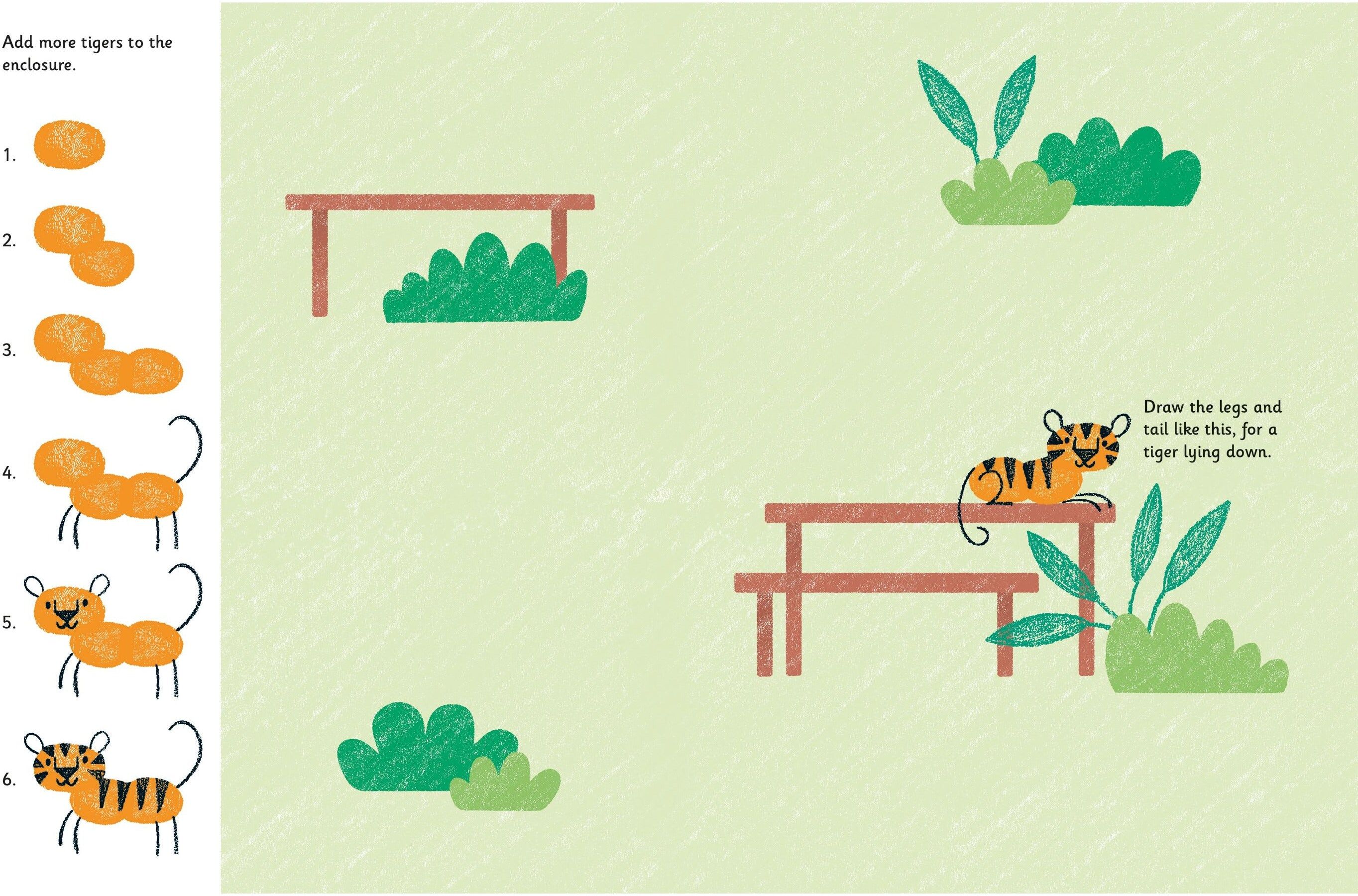
Usborne Fingerprint Activities ZooFingerprint Activities Zoo Fiona Watt Illustrated by Candice Whatmore This fun activity book is full of ideas for fingerprinting lots of different animals that you might see in a zoo. Print spots on a cheetah, hippos wallowing in a lake, stripes on lemurs' tails, koalas climbing trees and lots, lots more. Complete with seven bright ink pads to choose from. The spiral binding means that the book lies flat as you fill the pages with your own fingerprints.6,99 £*Shipping: 2,99 £Secure redirect to the provider
-
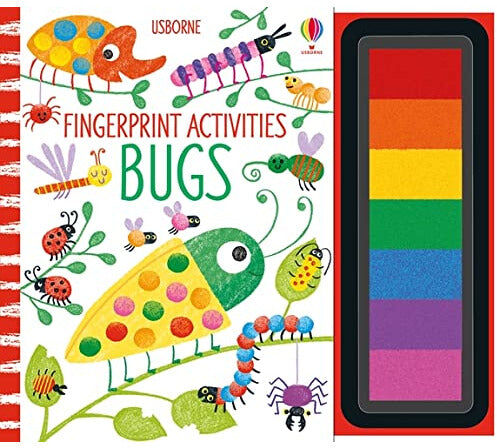
Usborne Fingerprint Activities: BugsThis entertaining book is bursting with ideas for fingerprinting lots of creepy crawlies, from bees and ladybirds to spiders and ants. Create scenes with hungry snails, wiggly worms, fluttering butterflies and lots more. With an inkpad of seven bright colours and a spiral binding so that the book lies flat.6,95 £*Shipping: 2,99 £Secure redirect to the provider


-
What are your hobbies and leisure activities?
Some of my hobbies and leisure activities include reading, writing, and hiking. I enjoy getting lost in a good book, expressing my thoughts through writing, and exploring nature on hiking trails. These activities help me relax, unwind, and find inspiration in the world around me. **
-
Can you explain the curve of pepsin and trypsin?
Pepsin and trypsin are enzymes involved in the digestion of proteins. The curve of pepsin shows that it is most active in acidic environments, such as the stomach, with an optimal pH range of 1.5-2.5. In contrast, trypsin is most active in alkaline environments, such as the small intestine, with an optimal pH range of 7.5-8.5. This difference in pH optima allows these enzymes to work in different parts of the digestive system, breaking down proteins into smaller peptides and amino acids for absorption. **
-
Why doesn't pepsin attack the proteins in the small intestine?
Pepsin is an enzyme that is specifically designed to function in the acidic environment of the stomach. Once the partially digested food leaves the stomach and enters the small intestine, the pH becomes more neutral, which is not an optimal environment for pepsin to function effectively. Additionally, the small intestine contains other enzymes like trypsin and chymotrypsin that are responsible for further breaking down proteins into smaller peptides and amino acids. **
-
What is the difference between the enzymes Trypsin and Pepsin?
Trypsin and Pepsin are both enzymes involved in the digestion of proteins, but they differ in their site of action and optimal pH. Trypsin is produced in the pancreas and acts in the small intestine, where it breaks down proteins into smaller peptides. It works best in an alkaline environment. On the other hand, Pepsin is produced in the stomach and works best in acidic conditions. Pepsin breaks down proteins into peptides in the stomach before they are further digested by Trypsin in the small intestine. **

What is the difference between the enzyme trypsin and pepsin?
Trypsin and pepsin are both digestive enzymes, but they have different functions and work in different parts of the digestive system. Trypsin is produced in the pancreas and works in the small intestine to break down proteins into smaller peptides. Pepsin, on the other hand, is produced in the stomach and works to break down proteins into peptides in the acidic environment of the stomach. Additionally, trypsin works best at a slightly alkaline pH, while pepsin works best in an acidic environment. **
Can pepsin also act as an enzyme in the small intestine?
No, pepsin cannot act as an enzyme in the small intestine. Pepsin is an enzyme that is produced in the stomach and is responsible for breaking down proteins into smaller peptides. Once the food moves from the stomach to the small intestine, the acidic environment of the stomach is neutralized, and pepsin becomes inactive. In the small intestine, other enzymes such as trypsin, chymotrypsin, and peptidases take over the role of breaking down proteins into amino acids for absorption. **
Top-Angebote
Products related to Pepsin:
-
Metro 160cm LED TV Stand for TVs up to 70", Gaming Entertainment Center with PS5 Storage Black 75"This TV stand combines adjustable ambient lighting, partitioned storage, multi-scene adaptability, easy installation, and solid craftsmanship. It comes with a full range of accessories, a versatile size, and a balance of aesthetics, practicality, and durability, making it suitable for various home settings. Metro Lane127,99 £*Shipping: 0,00 £Secure redirect to the provider
-
Where does the enzyme pepsin work?
The enzyme pepsin works in the stomach. It is produced by the chief cells in the stomach lining and is responsible for breaking down proteins into smaller peptides. Pepsin works optimally in the acidic environment of the stomach, where it can efficiently carry out its digestive function. **
-
What are the enzymes pepsin and trypsin?
Pepsin is an enzyme produced in the stomach that helps break down proteins into smaller peptides. It works best in the acidic environment of the stomach and is essential for the digestion of proteins in the stomach. Trypsin, on the other hand, is an enzyme produced in the pancreas and is released into the small intestine. It also helps break down proteins into smaller peptides and is essential for the digestion of proteins in the small intestine. Both pepsin and trypsin play crucial roles in the digestion of proteins in the human body. **
-
What are your hobbies and leisure activities?
Some of my hobbies and leisure activities include reading, writing, and hiking. I enjoy getting lost in a good book, expressing my thoughts through writing, and exploring nature on hiking trails. These activities help me relax, unwind, and find inspiration in the world around me. **
-
Can you explain the curve of pepsin and trypsin?
Pepsin and trypsin are enzymes involved in the digestion of proteins. The curve of pepsin shows that it is most active in acidic environments, such as the stomach, with an optimal pH range of 1.5-2.5. In contrast, trypsin is most active in alkaline environments, such as the small intestine, with an optimal pH range of 7.5-8.5. This difference in pH optima allows these enzymes to work in different parts of the digestive system, breaking down proteins into smaller peptides and amino acids for absorption. **
Similar search terms for Pepsin
-
Usborne Fingerprint Activities ZooFingerprint Activities Zoo Fiona Watt Illustrated by Candice Whatmore This fun activity book is full of ideas for fingerprinting lots of different animals that you might see in a zoo. Print spots on a cheetah, hippos wallowing in a lake, stripes on lemurs' tails, koalas climbing trees and lots, lots more. Complete with seven bright ink pads to choose from. The spiral binding means that the book lies flat as you fill the pages with your own fingerprints.6,99 £*Shipping: 2,99 £Secure redirect to the provider
-
Usborne Fingerprint Activities: BugsThis entertaining book is bursting with ideas for fingerprinting lots of creepy crawlies, from bees and ladybirds to spiders and ants. Create scenes with hungry snails, wiggly worms, fluttering butterflies and lots more. With an inkpad of seven bright colours and a spiral binding so that the book lies flat.6,95 £*Shipping: 2,99 £Secure redirect to the provider
-
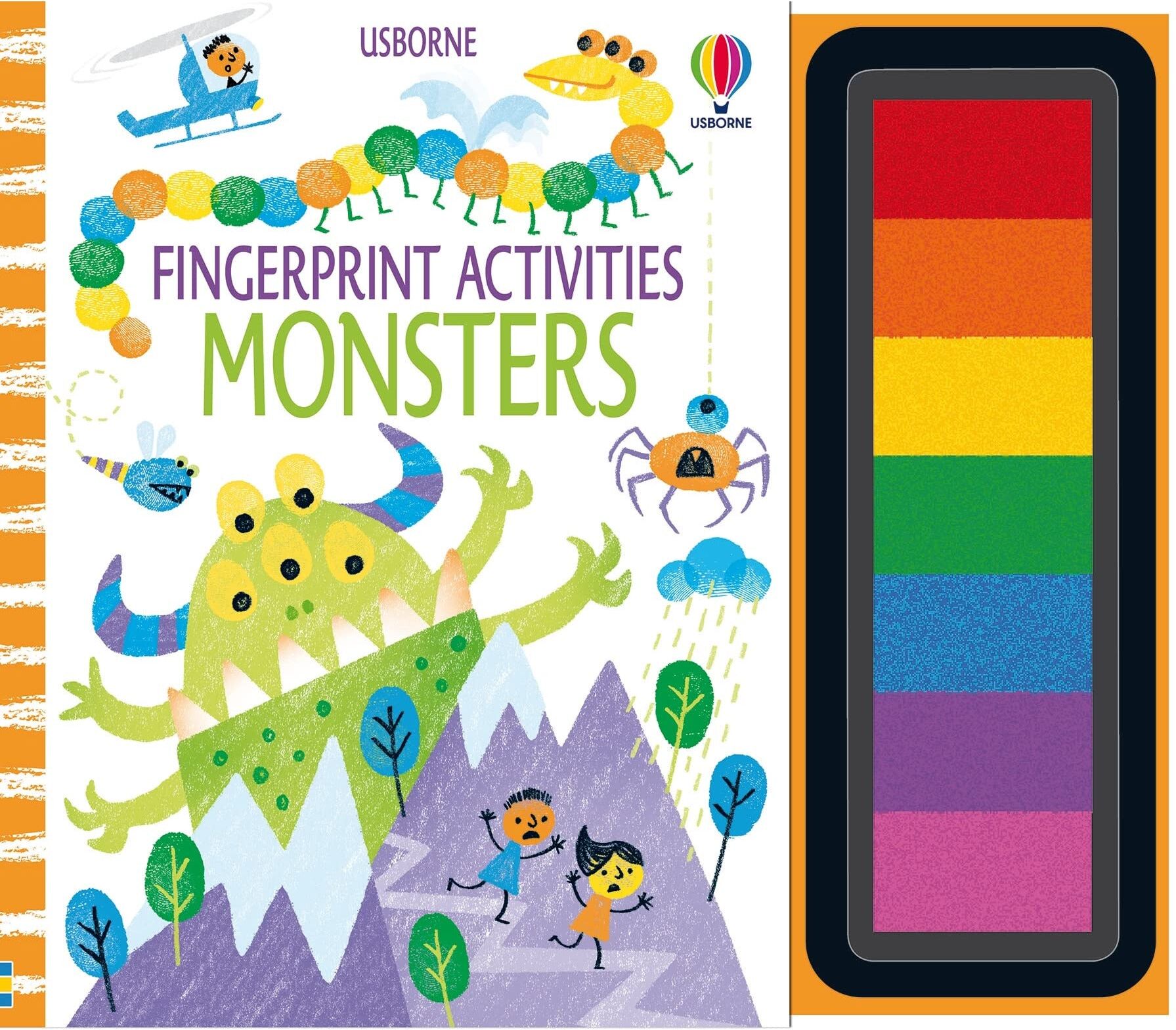
Usborne Fingerprint Activities: MonstersFollow the simple step-by-step ideas to fill the pages in the book with monsters of all shapes and sizes. There's no need to buy paints or inks, just use the seven bright colours on the inkpad attached to the back cover.5,99 £*Shipping: 2,99 £Secure redirect to the provider
-
Goosebumps Entertainment PackRelive the adventures of the hit show in these two novels, and then explore your creativity with more than 90 images in the Official Goosebumps Coloring Book.This set includes:Goosebumps TV: The Haunting ReturnsGoosebumps TV: The Vanished...34,99 $*Shipping: 0,00 $Secure redirect to the provider
-
Why doesn't pepsin attack the proteins in the small intestine?
Pepsin is an enzyme that is specifically designed to function in the acidic environment of the stomach. Once the partially digested food leaves the stomach and enters the small intestine, the pH becomes more neutral, which is not an optimal environment for pepsin to function effectively. Additionally, the small intestine contains other enzymes like trypsin and chymotrypsin that are responsible for further breaking down proteins into smaller peptides and amino acids. **
-
What is the difference between the enzymes Trypsin and Pepsin?
Trypsin and Pepsin are both enzymes involved in the digestion of proteins, but they differ in their site of action and optimal pH. Trypsin is produced in the pancreas and acts in the small intestine, where it breaks down proteins into smaller peptides. It works best in an alkaline environment. On the other hand, Pepsin is produced in the stomach and works best in acidic conditions. Pepsin breaks down proteins into peptides in the stomach before they are further digested by Trypsin in the small intestine. **
-
What is the difference between the enzyme trypsin and pepsin?
Trypsin and pepsin are both digestive enzymes, but they have different functions and work in different parts of the digestive system. Trypsin is produced in the pancreas and works in the small intestine to break down proteins into smaller peptides. Pepsin, on the other hand, is produced in the stomach and works to break down proteins into peptides in the acidic environment of the stomach. Additionally, trypsin works best at a slightly alkaline pH, while pepsin works best in an acidic environment. **
-
Can pepsin also act as an enzyme in the small intestine?
No, pepsin cannot act as an enzyme in the small intestine. Pepsin is an enzyme that is produced in the stomach and is responsible for breaking down proteins into smaller peptides. Once the food moves from the stomach to the small intestine, the acidic environment of the stomach is neutralized, and pepsin becomes inactive. In the small intestine, other enzymes such as trypsin, chymotrypsin, and peptidases take over the role of breaking down proteins into amino acids for absorption. **
* All prices are inclusive of VAT and, if applicable, plus shipping costs. The offer information is based on the details provided by the respective shop and is updated through automated processes. Real-time updates do not occur, so deviations can occur in individual cases. ** Note: Parts of this content were created by AI.