Buy yourplay.eu ?
We are moving the project
yourplay.eu .
Are you interested in purchasing the domain
yourplay.eu ?
domain@kv-gmbh.de · 0541-91531010
Buy yourplay.eu ?
Are photons electrons?
No, photons are not electrons. Photons are elementary particles that make up light and electromagnetic radiation, while electrons are negatively charged subatomic particles that are part of atoms. Photons have no mass and travel at the speed of light, while electrons have mass and are bound to the nucleus of an atom. **
What happens to photons?
Photons are elementary particles that make up light. They do not have mass and travel at the speed of light. When photons interact with matter, they can be absorbed, reflected, or transmitted. Absorption of photons can result in the excitation of electrons, leading to various physical and chemical processes. **

Similar search terms for Photons
Top-Angebote
Products related to Photons:
-
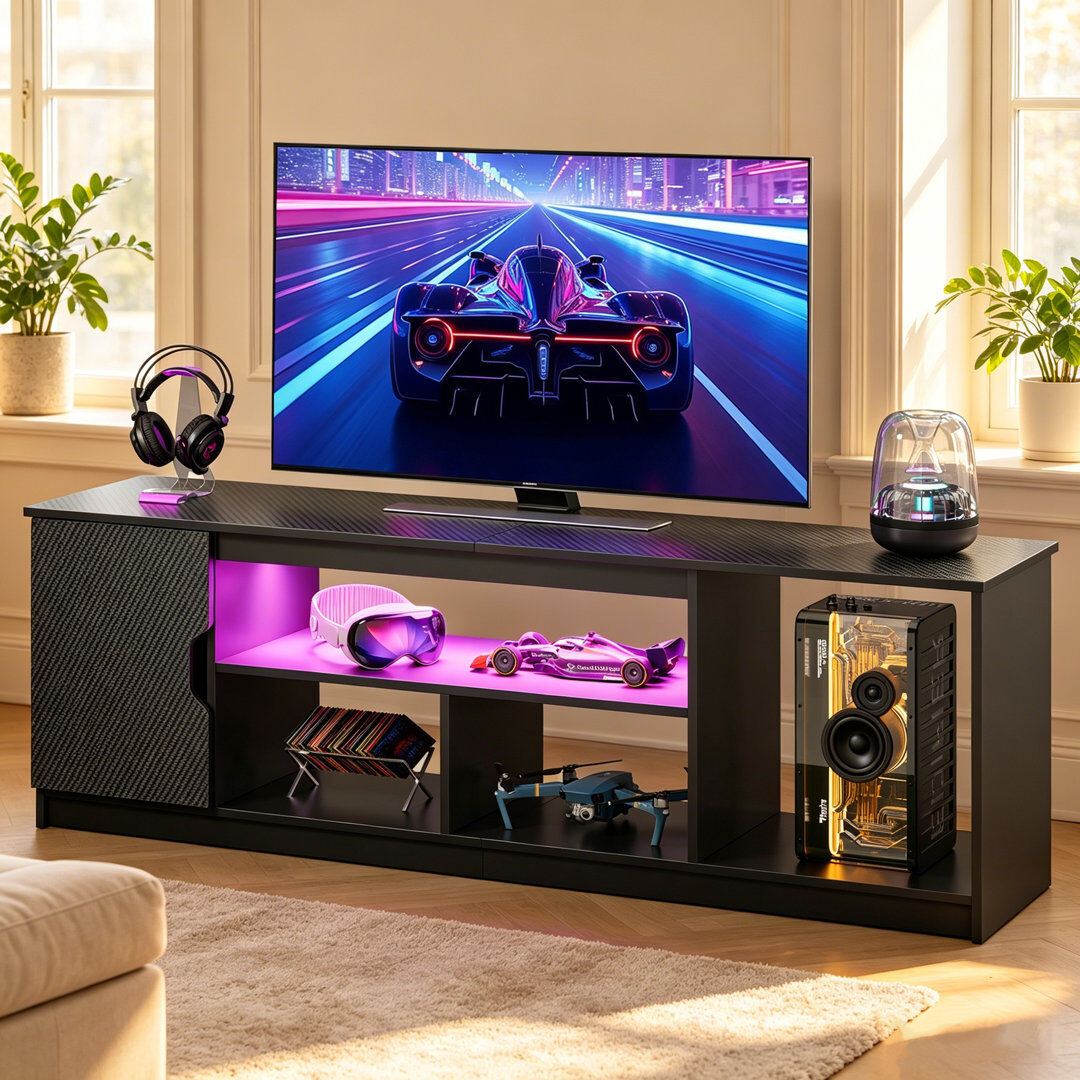
Metro 160cm LED TV Stand for TVs up to 70", Gaming Entertainment Center with PS5 Storage Black 75"This TV stand combines adjustable ambient lighting, partitioned storage, multi-scene adaptability, easy installation, and solid craftsmanship. It comes with a full range of accessories, a versatile size, and a balance of aesthetics, practicality, and durability, making it suitable for various home settings. Metro Lane127,99 £*Shipping: 0,00 £Secure redirect to the provider
-
Goosebumps Entertainment PackRelive the adventures of the hit show in these two novels, and then explore your creativity with more than 90 images in the Official Goosebumps Coloring Book.This set includes:Goosebumps TV: The Haunting ReturnsGoosebumps TV: The Vanished...34,99 $*Shipping: 0,00 $Secure redirect to the provider
-
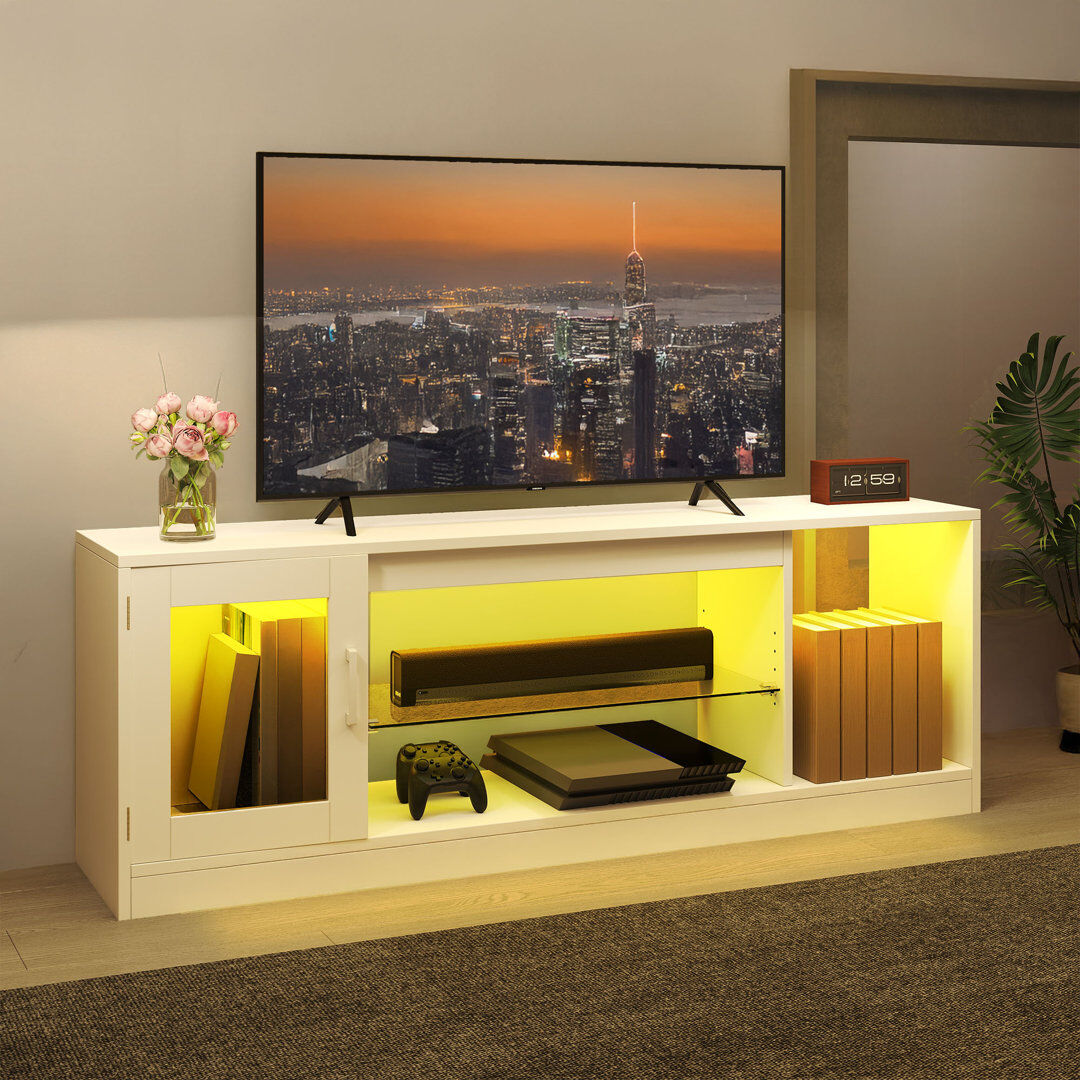
Metro LED TV Unit for TVs up to 65 Inch, TV Cabinet , Gaming Entertainment Center with Adjustable Glass Shelf White 65"Transform your space with our TV unit that meets all your storage needs, offering open areas for media gear like your TV box, DVD player, speakers, and game consoles with easy wire management, plus a spacious tabletop for daily essentials, books, PS5, magazines, mugs, cups, and electronics, equipped with a modern LED lighting system featuring 15 static and 6 dynamic color modes controlled remotely, boasting ample storage with a sturdy construction that supports up to 65 kg on the bottom shelf and tabletop, 5 kg on the side shelf, and an adjustable tempered glass shelf for an eye-catching display, all in a 148CM x 32CM x 51CM size that's easy to assemble straight from the box and designed to hold TVs up to 50 inches, complemented by a convenient power strip for all your connectivity needs. Metro Lane Colour: White69,99 £*Shipping: 0,00 £Secure redirect to the provider


-
How are photons created?
Photons are created through a process called electromagnetic radiation. This occurs when an atom absorbs energy, causing its electrons to move to a higher energy level. When the electrons return to their original energy level, they release the absorbed energy in the form of photons. This process can happen in various ways, such as through thermal radiation, chemical reactions, or nuclear reactions. **
-
What are your hobbies and leisure activities?
Some of my hobbies and leisure activities include reading, writing, and hiking. I enjoy getting lost in a good book, expressing my thoughts through writing, and exploring nature on hiking trails. These activities help me relax, unwind, and find inspiration in the world around me. **
-
How can one convert the energy of different photons into monochromatic photons?
One way to convert the energy of different photons into monochromatic photons is through a process called frequency doubling or second harmonic generation. This involves passing the photons through a nonlinear crystal, which causes the photons to combine and create new photons with double the frequency and half the wavelength of the original photons. This results in monochromatic photons with a single, specific wavelength. Another method is through the use of filters or monochromators, which can selectively filter out photons of specific wavelengths, allowing only monochromatic photons to pass through. **
-
What distinguishes photons and protons?
Photons are elementary particles that carry electromagnetic radiation, such as light, while protons are subatomic particles found in the nucleus of an atom. Photons have no mass and travel at the speed of light, while protons have mass and are composed of quarks. Additionally, photons do not have an electric charge, while protons have a positive electric charge. **


Why can photons penetrate matter?
Photons can penetrate matter because they do not have an electric charge and are not affected by electromagnetic forces within the material. Additionally, photons do not have mass, allowing them to travel at the speed of light and pass through matter without being absorbed or deflected. This property of photons enables them to interact with atoms and molecules in the material, leading to phenomena such as absorption, reflection, and transmission. **
How far do photons travel?
Photons, as particles of light, travel at the speed of light in a vacuum, which is approximately 299,792 kilometers per second. This means that photons can travel vast distances in a very short amount of time. However, their travel distance can be affected by factors such as absorption, reflection, and scattering, which can cause them to be absorbed or redirected before reaching their destination. **
Top-Angebote
Products related to Photons:
-
Metro 160cm LED TV Stand for TVs up to 70", Gaming Entertainment Center with PS5 Storage Black 75"This TV stand combines adjustable ambient lighting, partitioned storage, multi-scene adaptability, easy installation, and solid craftsmanship. It comes with a full range of accessories, a versatile size, and a balance of aesthetics, practicality, and durability, making it suitable for various home settings. Metro Lane127,99 £*Shipping: 0,00 £Secure redirect to the provider
-
Are photons electrons?
No, photons are not electrons. Photons are elementary particles that make up light and electromagnetic radiation, while electrons are negatively charged subatomic particles that are part of atoms. Photons have no mass and travel at the speed of light, while electrons have mass and are bound to the nucleus of an atom. **
-
What happens to photons?
Photons are elementary particles that make up light. They do not have mass and travel at the speed of light. When photons interact with matter, they can be absorbed, reflected, or transmitted. Absorption of photons can result in the excitation of electrons, leading to various physical and chemical processes. **
-
How are photons created?
Photons are created through a process called electromagnetic radiation. This occurs when an atom absorbs energy, causing its electrons to move to a higher energy level. When the electrons return to their original energy level, they release the absorbed energy in the form of photons. This process can happen in various ways, such as through thermal radiation, chemical reactions, or nuclear reactions. **
-
What are your hobbies and leisure activities?
Some of my hobbies and leisure activities include reading, writing, and hiking. I enjoy getting lost in a good book, expressing my thoughts through writing, and exploring nature on hiking trails. These activities help me relax, unwind, and find inspiration in the world around me. **
Similar search terms for Photons
-
Goosebumps Entertainment PackRelive the adventures of the hit show in these two novels, and then explore your creativity with more than 90 images in the Official Goosebumps Coloring Book.This set includes:Goosebumps TV: The Haunting ReturnsGoosebumps TV: The Vanished...34,99 $*Shipping: 0,00 $Secure redirect to the provider
-
Metro LED TV Unit for TVs up to 65 Inch, TV Cabinet , Gaming Entertainment Center with Adjustable Glass Shelf White 65"Transform your space with our TV unit that meets all your storage needs, offering open areas for media gear like your TV box, DVD player, speakers, and game consoles with easy wire management, plus a spacious tabletop for daily essentials, books, PS5, magazines, mugs, cups, and electronics, equipped with a modern LED lighting system featuring 15 static and 6 dynamic color modes controlled remotely, boasting ample storage with a sturdy construction that supports up to 65 kg on the bottom shelf and tabletop, 5 kg on the side shelf, and an adjustable tempered glass shelf for an eye-catching display, all in a 148CM x 32CM x 51CM size that's easy to assemble straight from the box and designed to hold TVs up to 50 inches, complemented by a convenient power strip for all your connectivity needs. Metro Lane Colour: White69,99 £*Shipping: 0,00 £Secure redirect to the provider
-
Metro LED TV Unit for TVs up to 65 Inch, TV Cabinet , Gaming Entertainment Center with Adjustable Glass Shelf Black 65"Transform your space with our TV unit that meets all your storage needs, offering open areas for media gear like your TV box, DVD player, speakers, and game consoles with easy wire management, plus a spacious tabletop for daily essentials, books, PS5, magazines, mugs, cups, and electronics, equipped with a modern LED lighting system featuring 15 static and 6 dynamic color modes controlled remotely, boasting ample storage with a sturdy construction that supports up to 65 kg on the bottom shelf and tabletop, 5 kg on the side shelf, and an adjustable tempered glass shelf for an eye-catching display, all in a 148CM x 32CM x 51CM size that's easy to assemble straight from the box and designed to hold TVs up to 50 inches, complemented by a convenient power strip for all your connectivity needs. Metro Lane Colour: Black71,99 £*Shipping: 0,00 £Secure redirect to the provider
-
Metro LED TV Unit for TVs up to 65 Inch, TV Cabinet , Gaming Entertainment Center with Adjustable Glass Shelf Grey 65"Transform your space with our TV unit that meets all your storage needs, offering open areas for media gear like your TV box, DVD player, speakers, and game consoles with easy wire management, plus a spacious tabletop for daily essentials, books, PS5, magazines, mugs, cups, and electronics, equipped with a modern LED lighting system featuring 15 static and 6 dynamic color modes controlled remotely, boasting ample storage with a sturdy construction that supports up to 65 kg on the bottom shelf and tabletop, 5 kg on the side shelf, and an adjustable tempered glass shelf for an eye-catching display, all in a 148CM x 32CM x 51CM size that's easy to assemble straight from the box and designed to hold TVs up to 50 inches, complemented by a convenient power strip for all your connectivity needs. Metro Lane Colour: Grey74,99 £*Shipping: 0,00 £Secure redirect to the provider
-
How can one convert the energy of different photons into monochromatic photons?
One way to convert the energy of different photons into monochromatic photons is through a process called frequency doubling or second harmonic generation. This involves passing the photons through a nonlinear crystal, which causes the photons to combine and create new photons with double the frequency and half the wavelength of the original photons. This results in monochromatic photons with a single, specific wavelength. Another method is through the use of filters or monochromators, which can selectively filter out photons of specific wavelengths, allowing only monochromatic photons to pass through. **
-
What distinguishes photons and protons?
Photons are elementary particles that carry electromagnetic radiation, such as light, while protons are subatomic particles found in the nucleus of an atom. Photons have no mass and travel at the speed of light, while protons have mass and are composed of quarks. Additionally, photons do not have an electric charge, while protons have a positive electric charge. **
-
Why can photons penetrate matter?
Photons can penetrate matter because they do not have an electric charge and are not affected by electromagnetic forces within the material. Additionally, photons do not have mass, allowing them to travel at the speed of light and pass through matter without being absorbed or deflected. This property of photons enables them to interact with atoms and molecules in the material, leading to phenomena such as absorption, reflection, and transmission. **
-
How far do photons travel?
Photons, as particles of light, travel at the speed of light in a vacuum, which is approximately 299,792 kilometers per second. This means that photons can travel vast distances in a very short amount of time. However, their travel distance can be affected by factors such as absorption, reflection, and scattering, which can cause them to be absorbed or redirected before reaching their destination. **
* All prices are inclusive of VAT and, if applicable, plus shipping costs. The offer information is based on the details provided by the respective shop and is updated through automated processes. Real-time updates do not occur, so deviations can occur in individual cases. ** Note: Parts of this content were created by AI.