Buy yourplay.eu ?
We are moving the project
yourplay.eu .
Are you interested in purchasing the domain
yourplay.eu ?
domain@kv-gmbh.de · 0541-91531010
Buy yourplay.eu ?
What are your hobbies and leisure activities?
Some of my hobbies and leisure activities include reading, writing, and hiking. I enjoy getting lost in a good book, expressing my thoughts through writing, and exploring nature on hiking trails. These activities help me relax, unwind, and find inspiration in the world around me. **
What is cellular respiration?
Cellular respiration is the process by which cells break down glucose and other organic molecules to produce energy in the form of ATP (adenosine triphosphate). This process occurs in the mitochondria of cells and involves a series of biochemical reactions that ultimately convert the energy stored in glucose into a usable form for the cell. Cellular respiration is essential for the survival of all living organisms as it provides the energy needed for various cellular activities and functions. **

Similar search terms for Respiration
Top-Angebote
Products related to Respiration:
-
Metro 160cm LED TV Stand for TVs up to 70", Gaming Entertainment Center with PS5 Storage Black 75"This TV stand combines adjustable ambient lighting, partitioned storage, multi-scene adaptability, easy installation, and solid craftsmanship. It comes with a full range of accessories, a versatile size, and a balance of aesthetics, practicality, and durability, making it suitable for various home settings. Metro Lane127,99 £*Shipping: 0,00 £Secure redirect to the provider
-
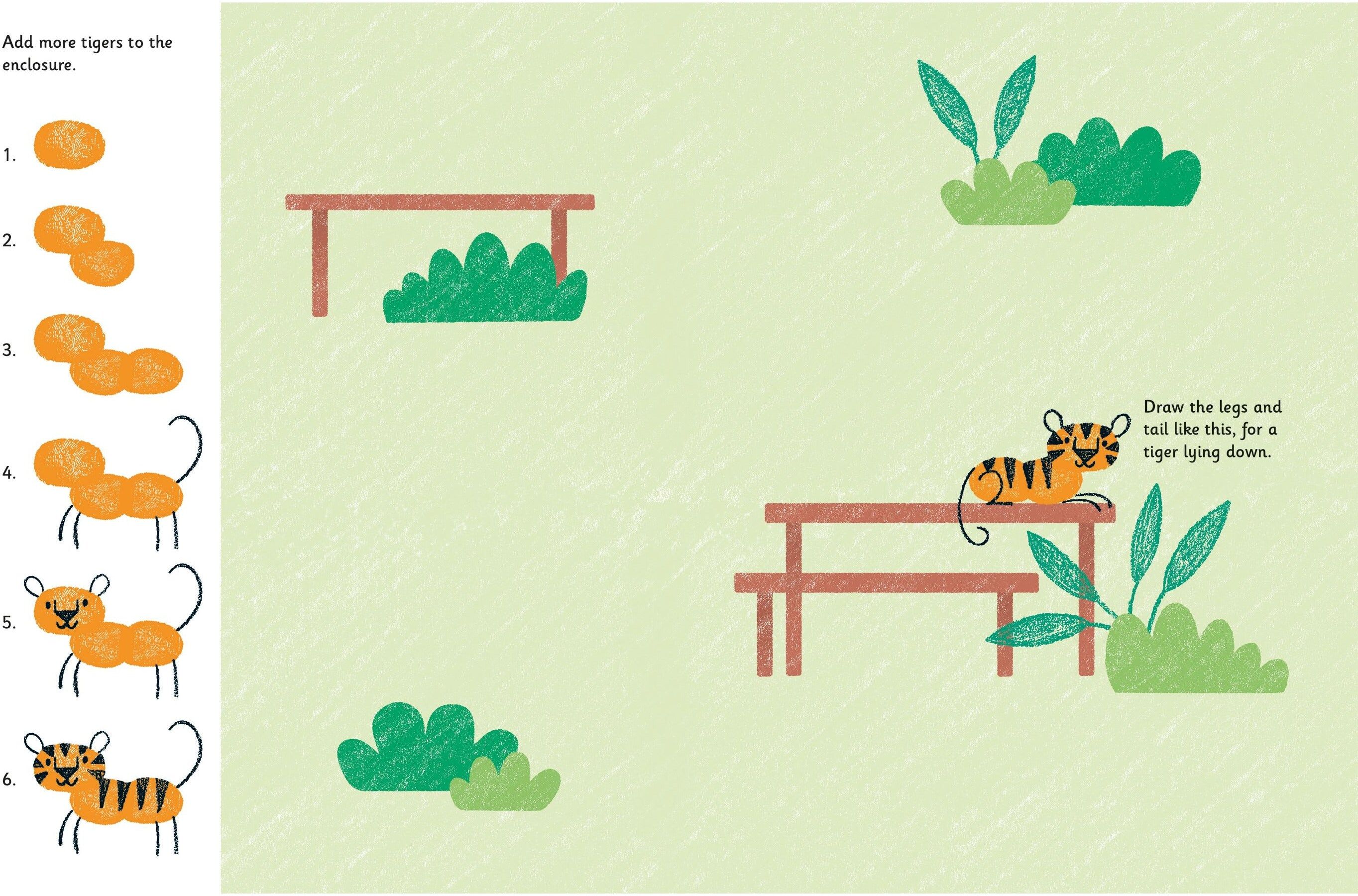
Usborne Fingerprint Activities ZooFingerprint Activities Zoo Fiona Watt Illustrated by Candice Whatmore This fun activity book is full of ideas for fingerprinting lots of different animals that you might see in a zoo. Print spots on a cheetah, hippos wallowing in a lake, stripes on lemurs' tails, koalas climbing trees and lots, lots more. Complete with seven bright ink pads to choose from. The spiral binding means that the book lies flat as you fill the pages with your own fingerprints.6,99 £*Shipping: 2,99 £Secure redirect to the provider
-
Usborne Fingerprint Activities: BugsThis entertaining book is bursting with ideas for fingerprinting lots of creepy crawlies, from bees and ladybirds to spiders and ants. Create scenes with hungry snails, wiggly worms, fluttering butterflies and lots more. With an inkpad of seven bright colours and a spiral binding so that the book lies flat.6,95 £*Shipping: 2,99 £Secure redirect to the provider



-
How does skin respiration work?
Skin respiration, also known as cutaneous respiration, is the process by which oxygen is absorbed and carbon dioxide is released through the skin. This process occurs in many animals, especially those with thin or moist skin, such as amphibians and some invertebrates. In skin respiration, gases diffuse across the skin's surface due to differences in partial pressures between the external environment and the internal tissues. Oxygen from the surrounding air or water diffuses into the skin and then into the bloodstream, where it can be transported to cells for cellular respiration. Carbon dioxide, a waste product of cellular respiration, diffuses out of the bloodstream and is released through the skin into the environment. Skin respiration is particularly important for animals that have a low metabolic rate or live in environments with low oxygen levels, as it provides an additional route for gas exchange. However, it is less efficient than respiratory systems such as lungs or gills, so it is typically used in conjunction with other forms of respiration. **
-
What is glycolytic cellular respiration?
Glycolytic cellular respiration is the process by which cells break down glucose to produce energy in the form of adenosine triphosphate (ATP). This process occurs in the cytoplasm of the cell and involves a series of enzymatic reactions that convert glucose into pyruvate. Glycolysis is the first stage of cellular respiration and is anaerobic, meaning it does not require oxygen. The ATP produced during glycolysis can be used by the cell for various energy-requiring processes. **
-
Do mushrooms undergo cellular respiration?
Yes, mushrooms do undergo cellular respiration. Just like other living organisms, mushrooms require energy to carry out their metabolic processes, and cellular respiration is the process by which they generate this energy. During cellular respiration, mushrooms break down organic molecules to produce ATP, the energy currency of the cell, which is used to fuel their growth, reproduction, and other biological functions. **
-
When does cellular respiration occur?
Cellular respiration occurs in the cells of living organisms constantly, as it is the process by which cells break down glucose and other organic molecules to produce energy in the form of ATP. This process is essential for the survival of cells and the organism as a whole, providing the energy needed for various cellular activities. Cellular respiration occurs in the presence of oxygen (aerobic respiration) or in the absence of oxygen (anaerobic respiration), depending on the availability of oxygen in the environment. **

What entertainment and leisure activities did people in the Baroque era use?
During the Baroque era, people enjoyed various forms of entertainment and leisure activities. Some popular activities included attending theatrical performances, such as plays and operas, as well as musical concerts. Dancing, particularly in the form of elaborate court dances, was also a common pastime. Additionally, people in the Baroque era enjoyed participating in outdoor activities like hunting, horseback riding, and attending festivals and masquerade balls. Overall, the Baroque era offered a wide range of entertainment options for people of different social classes and interests. **
What is needed for cellular respiration?
Cellular respiration requires oxygen and glucose as the main inputs. Oxygen is used as the final electron acceptor in the electron transport chain, while glucose is broken down through glycolysis and the citric acid cycle to produce ATP, the energy currency of the cell. Additionally, cellular respiration also requires enzymes and other molecules to facilitate the various steps of the process. **
Top-Angebote
Products related to Respiration:
-
Metro 160cm LED TV Stand for TVs up to 70", Gaming Entertainment Center with PS5 Storage Black 75"This TV stand combines adjustable ambient lighting, partitioned storage, multi-scene adaptability, easy installation, and solid craftsmanship. It comes with a full range of accessories, a versatile size, and a balance of aesthetics, practicality, and durability, making it suitable for various home settings. Metro Lane127,99 £*Shipping: 0,00 £Secure redirect to the provider
-
What are your hobbies and leisure activities?
Some of my hobbies and leisure activities include reading, writing, and hiking. I enjoy getting lost in a good book, expressing my thoughts through writing, and exploring nature on hiking trails. These activities help me relax, unwind, and find inspiration in the world around me. **
-
What is cellular respiration?
Cellular respiration is the process by which cells break down glucose and other organic molecules to produce energy in the form of ATP (adenosine triphosphate). This process occurs in the mitochondria of cells and involves a series of biochemical reactions that ultimately convert the energy stored in glucose into a usable form for the cell. Cellular respiration is essential for the survival of all living organisms as it provides the energy needed for various cellular activities and functions. **
-
How does skin respiration work?
Skin respiration, also known as cutaneous respiration, is the process by which oxygen is absorbed and carbon dioxide is released through the skin. This process occurs in many animals, especially those with thin or moist skin, such as amphibians and some invertebrates. In skin respiration, gases diffuse across the skin's surface due to differences in partial pressures between the external environment and the internal tissues. Oxygen from the surrounding air or water diffuses into the skin and then into the bloodstream, where it can be transported to cells for cellular respiration. Carbon dioxide, a waste product of cellular respiration, diffuses out of the bloodstream and is released through the skin into the environment. Skin respiration is particularly important for animals that have a low metabolic rate or live in environments with low oxygen levels, as it provides an additional route for gas exchange. However, it is less efficient than respiratory systems such as lungs or gills, so it is typically used in conjunction with other forms of respiration. **
-
What is glycolytic cellular respiration?
Glycolytic cellular respiration is the process by which cells break down glucose to produce energy in the form of adenosine triphosphate (ATP). This process occurs in the cytoplasm of the cell and involves a series of enzymatic reactions that convert glucose into pyruvate. Glycolysis is the first stage of cellular respiration and is anaerobic, meaning it does not require oxygen. The ATP produced during glycolysis can be used by the cell for various energy-requiring processes. **
Similar search terms for Respiration
-
Usborne Fingerprint Activities ZooFingerprint Activities Zoo Fiona Watt Illustrated by Candice Whatmore This fun activity book is full of ideas for fingerprinting lots of different animals that you might see in a zoo. Print spots on a cheetah, hippos wallowing in a lake, stripes on lemurs' tails, koalas climbing trees and lots, lots more. Complete with seven bright ink pads to choose from. The spiral binding means that the book lies flat as you fill the pages with your own fingerprints.6,99 £*Shipping: 2,99 £Secure redirect to the provider
-
Usborne Fingerprint Activities: BugsThis entertaining book is bursting with ideas for fingerprinting lots of creepy crawlies, from bees and ladybirds to spiders and ants. Create scenes with hungry snails, wiggly worms, fluttering butterflies and lots more. With an inkpad of seven bright colours and a spiral binding so that the book lies flat.6,95 £*Shipping: 2,99 £Secure redirect to the provider
-
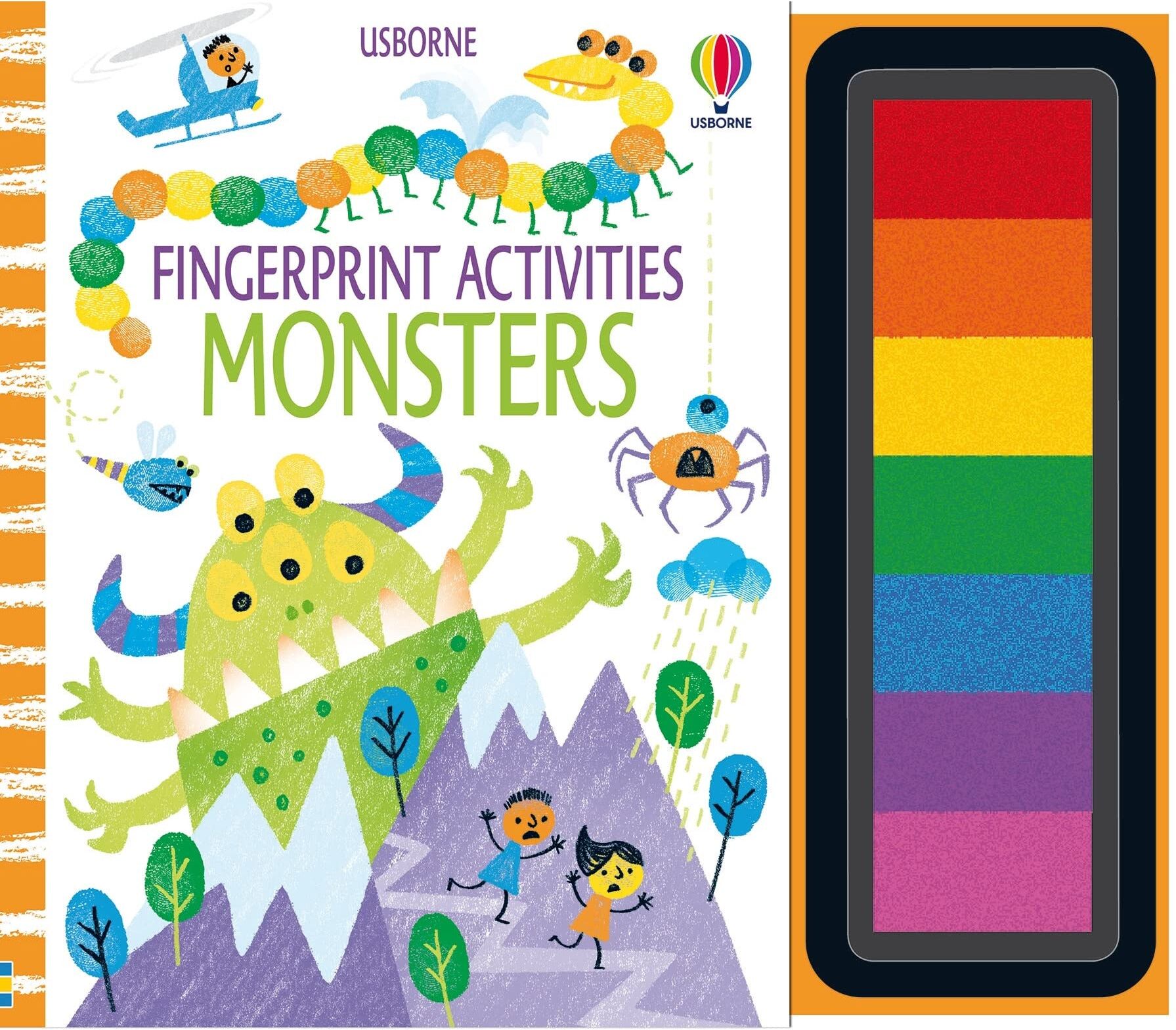
Usborne Fingerprint Activities: MonstersFollow the simple step-by-step ideas to fill the pages in the book with monsters of all shapes and sizes. There's no need to buy paints or inks, just use the seven bright colours on the inkpad attached to the back cover.5,99 £*Shipping: 2,99 £Secure redirect to the provider
-
Metro LED TV Unit for TVs up to 65 Inch, TV Cabinet , Gaming Entertainment Center with Adjustable Glass Shelf White 65"Transform your space with our TV unit that meets all your storage needs, offering open areas for media gear like your TV box, DVD player, speakers, and game consoles with easy wire management, plus a spacious tabletop for daily essentials, books, PS5, magazines, mugs, cups, and electronics, equipped with a modern LED lighting system featuring 15 static and 6 dynamic color modes controlled remotely, boasting ample storage with a sturdy construction that supports up to 65 kg on the bottom shelf and tabletop, 5 kg on the side shelf, and an adjustable tempered glass shelf for an eye-catching display, all in a 148CM x 32CM x 51CM size that's easy to assemble straight from the box and designed to hold TVs up to 50 inches, complemented by a convenient power strip for all your connectivity needs. Metro Lane Colour: White69,99 £*Shipping: 0,00 £Secure redirect to the provider
-
Do mushrooms undergo cellular respiration?
Yes, mushrooms do undergo cellular respiration. Just like other living organisms, mushrooms require energy to carry out their metabolic processes, and cellular respiration is the process by which they generate this energy. During cellular respiration, mushrooms break down organic molecules to produce ATP, the energy currency of the cell, which is used to fuel their growth, reproduction, and other biological functions. **
-
When does cellular respiration occur?
Cellular respiration occurs in the cells of living organisms constantly, as it is the process by which cells break down glucose and other organic molecules to produce energy in the form of ATP. This process is essential for the survival of cells and the organism as a whole, providing the energy needed for various cellular activities. Cellular respiration occurs in the presence of oxygen (aerobic respiration) or in the absence of oxygen (anaerobic respiration), depending on the availability of oxygen in the environment. **
-
What entertainment and leisure activities did people in the Baroque era use?
During the Baroque era, people enjoyed various forms of entertainment and leisure activities. Some popular activities included attending theatrical performances, such as plays and operas, as well as musical concerts. Dancing, particularly in the form of elaborate court dances, was also a common pastime. Additionally, people in the Baroque era enjoyed participating in outdoor activities like hunting, horseback riding, and attending festivals and masquerade balls. Overall, the Baroque era offered a wide range of entertainment options for people of different social classes and interests. **
-
What is needed for cellular respiration?
Cellular respiration requires oxygen and glucose as the main inputs. Oxygen is used as the final electron acceptor in the electron transport chain, while glucose is broken down through glycolysis and the citric acid cycle to produce ATP, the energy currency of the cell. Additionally, cellular respiration also requires enzymes and other molecules to facilitate the various steps of the process. **
* All prices are inclusive of VAT and, if applicable, plus shipping costs. The offer information is based on the details provided by the respective shop and is updated through automated processes. Real-time updates do not occur, so deviations can occur in individual cases. ** Note: Parts of this content were created by AI.